
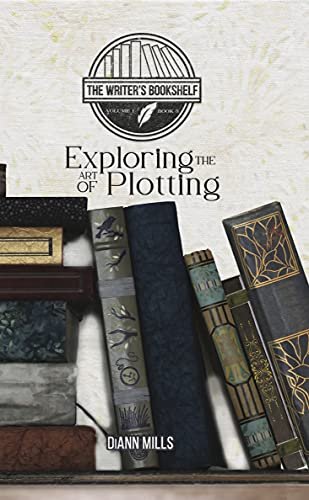
Exploring the Art of Plotting Part One
In Exploring the Art of Plotting, DiAnn Mills pulls from her years of studying the craft of writing, along with her experience penning multiple award-winning novels, to educate writers on the many twists and turns of plotting.
Within these 170 pages, DiAnn explores how plot is developed, how to overcome obstacles, and how to increase stakes. She shows writers how to begin a novel, how to fix sagging middles, and how to end with a satisfying resolution. She also includes exercises at the end of each chapter for further guidance.
My favorite chapter in Exploring the Art of Plotting was on research tips. In this chapter, DiAnn offered many creative ideas beyond the usual ones given, to help enrich each novel.
Plotting Nuggets
Below are a few nuggets I’ve gathered from Exploring the Art of Plotting to assist you with plotting your novels.
The character’s goal thrives on wanting something so badly that the protagonist or antagonist will venture to any lengths or depths to possess it. A want becomes a need when the character plods ahead to obtain it and nothing exceeds prominence in the character’s life but reaching the goal or solving the problem. The characters incorporate sacrifices in their quest. DiAnn Mills
Characters
Our characters drive our story, which means mastering plot begins with a hero or heroine who yanks on the writer’s heart and mind with a problem. The protagonist accepts the challenge and secures skills along the way. The trek is called plot or storyline. It fills each unforeseen action which propels the story forward. There is also an antagonist who does all they can to stop the hero.
Story line
The story is propelled forward through one exciting scene after another with rising stress, tension, and conflict. The plot builds on each preceding happening to a climax and resolution.
Through each scene, the protagonist faces challenges that force them to change and grow. At the same time, the antagonist tosses obstacles in the way. At the climax, the protagonist overcomes an inner flaw to accomplish a physical feat required to possess the story goal.
The Protagonist
Plot rises out of the protagonists’ strengths and weaknesses, wants and needs, and dreams and desires. Motivation is the fuel behind the protagonist’s actions.
Plot moves forward when the protagonist steps onstage. Conflicts unfold, and character develops through experiencing life, making decision, and accepting the consequences.
A Few Story Basics
Theme
Theme is the psychological message a story conveys, the truth or meaning behind the story, the subtle fuel that leads the writer to create and what many readers grasp at the end. The theme becomes the motivating factor resulting in conflict. I’ve also heard theme is a moral question the story answers.
Story Idea
Story Idea originally exists only in the writer’s mind. It attracts us to consider an incredible story we long to write. Ideas are everywhere. DiAnn says that according to Christopher Booker’s The Seven Basic Plots: Why We Tell Stories, story ideas fall into these basic plot types: Overcoming the Monster, Rags to Riches, The Quest, Voyage and Return, Comedy, Tragedy, Rebirth.
Concept
Concept is the foundation of our story. The writer uses concept to build a premise.
Premise
Premise is the summarized description of a story.
We start with an idea. The idea merges into a concept. A concept merges into a premise.
These nuggets taken from Exploring the Art of Plotting are mere glimpses into the wisdom found in this book. To thoroughly gain all DiAnn has to teach about the art of plotting, grab a copy of her book and read it for yourself.
Next time, I’ll cover what DiAnn has to say about the power of setting, story pacing, and developing a writer’s voice.
For another post on plot check out this post.
I wish you well.
Sandy
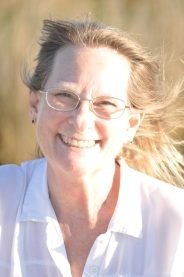
Hello, everyone. As a new writer for Write2Ignite, here's what you can expect from me in the coming months. In my posts, you'll find words of encouragement for writers, book reviews, and discussions on the craft of writing. I am a regular contributor to Guideposts devotional books as well as a conference speaker. I write articles, devotions, and stories for adult and children’s publications. Looking for words of encouragement or gluten-free recipes? Then check out my blog at https://sandykirbyquandt.com
Thanks, Sandy. This is a great review of this book as well as a reminder of important points about plotting
Thanks so much, Carol. DiAnn packs a lot of information in this book.
Thank you for the review! My mom reads DiAnn Mills’ novels, and I think it would be really interesting to learn more about her writing process. I’ll have to check this out.
Kathryn, there is a lot to learn in this book. Also, DiAnn’s latest book, Lethal Standoff, just released.
Great tips from her book. Thanks!