



Christmas is just around the corner. Shops are full of gift ideas while carols play in the background, neighborhoods are decorated with lights and all sorts of holiday displays, cookies are baking with the wonderful smells of cinnamon, nutmeg, and gingerbread filling the air, Douglas fir and pine trees abound with all sorts of fun ornaments, stockings are hung up on the mantels of many a home, and tables and shelf tops are decorated with pine boughs and miniature Christmas villages. It’s easy to have a seasonal mindset in the middle of the season. But what about at other times of the year? Often editors require holiday or seasonal pieces way in advance. Here are some tips to make sense of seasonal writing.
Seeing is Believing

Or so the saying goes. But visual aids are important when you are trying to envision a Christmas story in the throes of an early summer heat wave. That was the case for me when I had to write a short story about a little girl at Christmas time. Wearing shorts, drinking cool drinks, and sitting in front of a fan were not helping create that festive atmosphere. But when I imagined my character on a cold, snowy day, not only did I get inspired, but I felt a little cooler, too. Visual prompts are great tools to help keep your seasonal writing in focus.
Do You Hear What I Hear?

Audible cues can help get you in the right mood to write. Music is extremely helpful for this. Christmas carols, of course, are easy when you are writing about Christmas. But what about other holidays or seasons? You can always listen to patriotic music for the 4th of July, and the Hallelujah chorus in Handel’s Messiah is awesome when you have to write about Easter. For tougher seasons, maybe you can listen to sounds of rustling leaves for fall, or the sound of a summer rainstorm when you’re writing in the wintertime. Sounds can remind you of various times of the year.
Your Nose Knows!
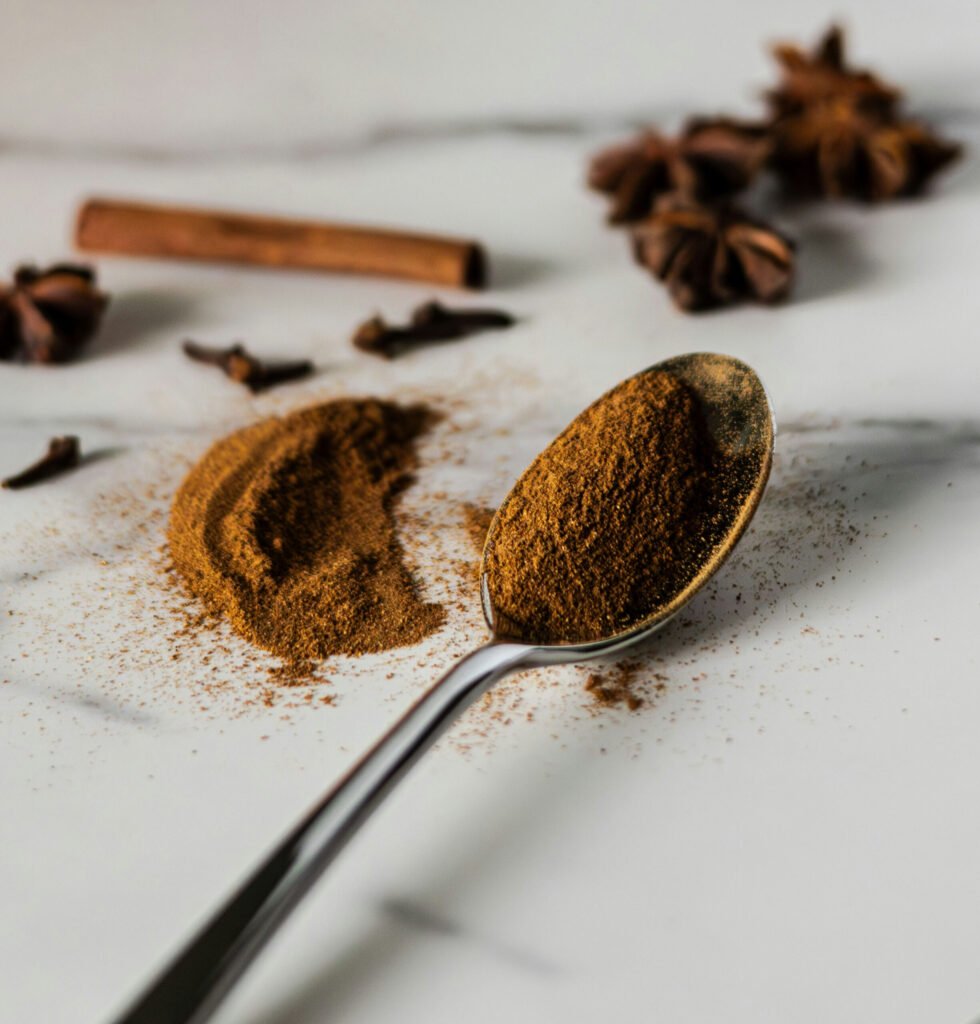
If the eyes and ears can’t motivate your offseason writing, what about smell? Need to write about Thanksgiving in the springtime? Sprinkle some cinnamon and nutmeg in a small bowl and keep that by your work area. Those smells will surely get you into an autumn mood. Need to write about St. Patrick’s Day in the summer? Crush some fresh black pepper and mustard seeds to remind you of simmering corned beef and cabbage. Smells can take us back to moments of time and wonderful holiday memories.
Taste Test
When all else fails, you can always revert to foods. Tasting a cup of hot cocoa (even in the summer) with a nice scoop of whipped cream can bring back memories of wintery days. A hot dog and baked beans can remind you of a summer picnic even on chilly January afternoon. And a scoop of strawberry ice cream can help your September writing remind you of springtime.
Can’t Touch That

Finally, you can use touch to help your offseason writing, but not in the typical “touch” way. Wear a baseball cap to remind you of a world series ball game. Slip on some sandals to remind you of a day at the beach. Pull out a few ice cubes to think about someone caught in an ice storm (though you’ll have to write quickly if you’re in a heat wave). Or grab some velvet ribbon to remind you of Valentines Day.
God gave us our senses to use in our day to day lives. So why not use them for writing, especially when you need some help recalling a different time or season of the year?
Have your senses helped you in your offseason writing?
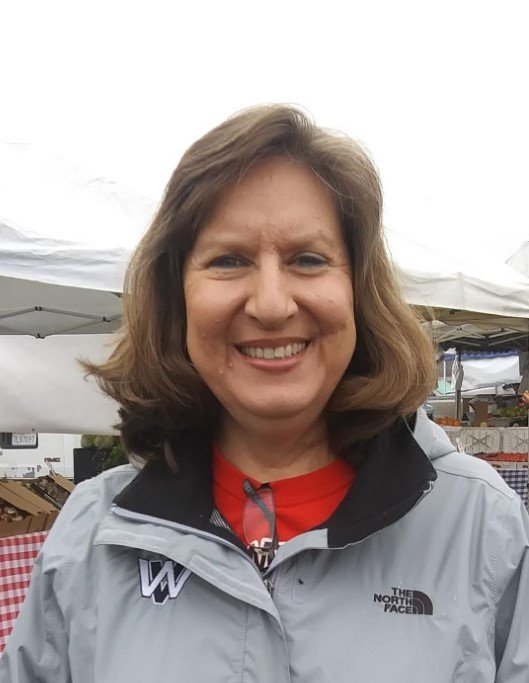
Catherine L. Osornio has written inspirational articles for a women’s ministry newsletter, over 200 leveled reader stories for a school’s reading program, fiction and nonfiction articles for Clubhouse and Clubhouse Jr. magazines, The Declaration of Independence from A to Z, Thunder Comes a Rumblin’, Mosquitoes Infect!, Danger on Martin Mountain, plus various work-for-hire projects.A former elementary school librarian, Catherine is passionate about sharing the love of reading. She enjoys cartooning, illustration, and reading kids’ books. Email her at CLOsornio@verizon.net or visit her at www.catherineosornio.com.
Unsplash credits: engin akyurt, Edi Libedinsky, Austin Distel, Lily Bui Thi, and Giorgi Iremadze.