


As authors, we are expected to wear several hats: writer, researcher, investigator, interviewer, blogger, marketer, to name a few. Some of us are good at the writing and researching. But the other “hats,” especially marketing, can be challenging. Many publishers also expect us to do some promotion. So when opportunities pop up where someone wants to highlight our book(s) at an event, our ears perk up with interest. But caveat auctor! Let the author beware! Not every offer is valid. Here are a few things to look for.
Sounds Too Good to Be True
The other day I received an email that sounded amazing. A book club wanted to highlight my latest book at an upcoming meeting. The email was professional, they were very knowledgeable about the content and context of the novel, and this sounded like an ideal way to get some publicity and perhaps some sales. Everything was super positive. Too positive.

The problem in today’s techy world, AI can write amazing content. It can compose all sorts of things that sounds like a win-win situation. Now I don’t know for sure if the letter was fully AI, but it was extremely polished. As an editor, I get suspicious of things that sound too good. So I needed to dig a little deeper to see if this was legit.
Information is Limited
The email mentioned the date, which was a Sunday, but it didn’t list the time. I reread the email a few times to make sure that it did mention that it was a virtual meeting, but I did need to know what time they were thinking about. Sundays are busy, especially working around church.

So I sent a quick note, thanking the person for the invite, but asking about the time. I even went online to see if their book club was “real.” There was an online presence with events listed.
Response Was Just a Bit Different
The response came back within 15 minutes. The person again was very positive, talked more about what they would do to promote my book to their members, but then assured me that his team would take care of all the details. There would be no need for me to even participate. In fact, participation wasn’t encouraged.
Hmmm. An author not expected to attend a book club meeting? That did not sound right at all. Wasn’t the purpose to have a discussion with the author, to ask about my writing techniques and inspirations?
Asking for Money
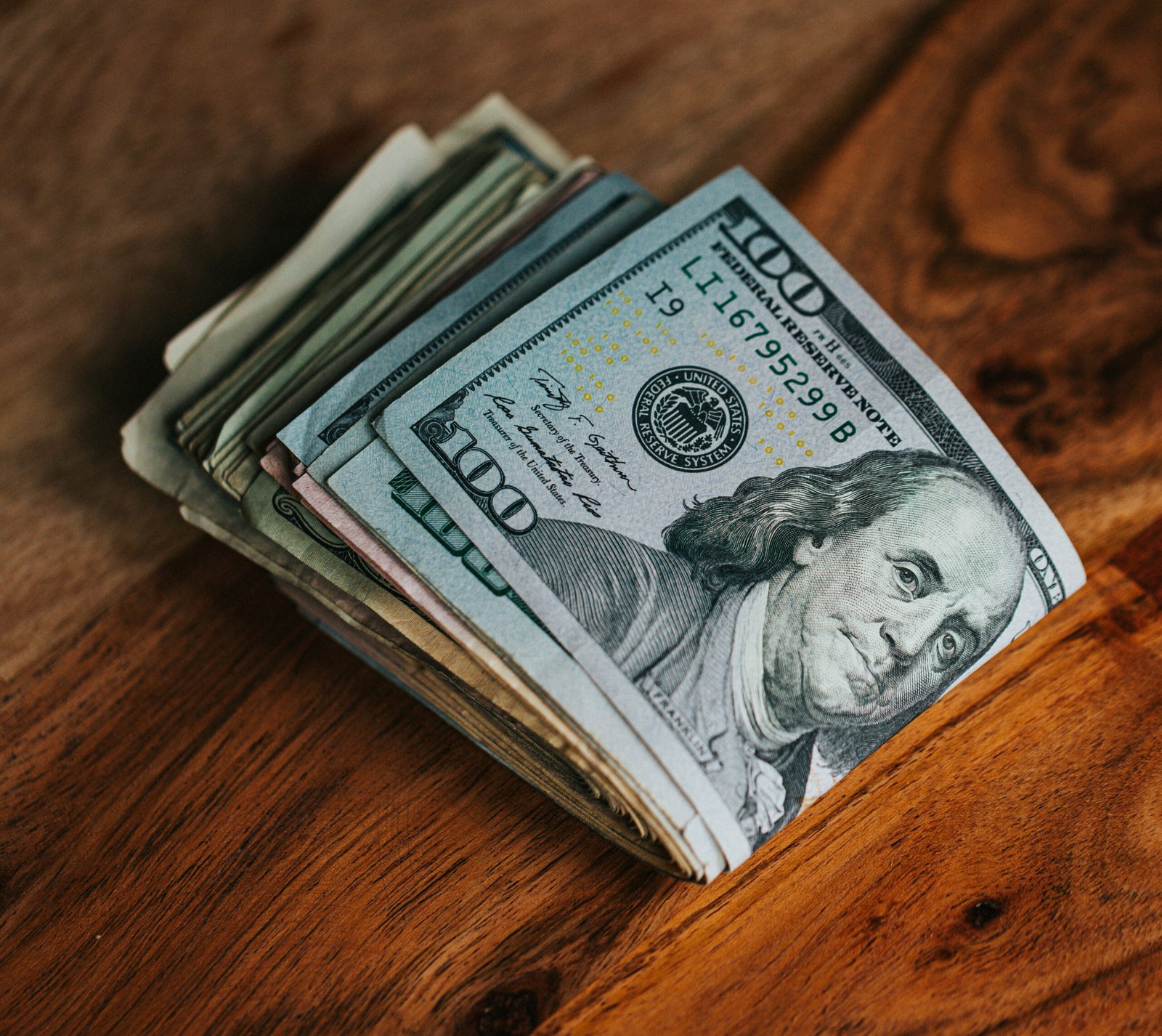
Then I noticed that all I would have to do is remit a $225 “coordination” fee. Okay. When they ask for money, that is an immediate Red Flag. If a person wants an author to come speak, there is usually some remuneration offered…to the author! If anyone (including a potential publisher) asks for money, there is something wrong.
So I questioned the sender, asking if I had to pay $225 in order to participate. I waited a little bit longer for an answer. When the response did come, I confirmed that this was a scam. The emailer assured me that there was no participation fee. The money was for those who would work very hard to represent me and my book so that it was seen in a very positive light that could generate sales.
So…I was to send money to give to people I never met, to represent my book, without any involvement from me? No way. I responded back that I would have to decline since this book was a work-for-hire, I don’t get any profits from its sales, and I did not have the resources to pay that kind of money. I have not heard back from him since.
We want our books to be successful. We want to get the word out to generate interest. But unless we are actually hiring a marketing person to handle such a thing, we need to be leery of any “offers” to promote, especially if you are to relinquish money and there is no expected participation on our end.
Author beware! It will save you money and headaches in the long run.
Have you ever been approached with suspicious offers regarding your publications? How did you handle it?
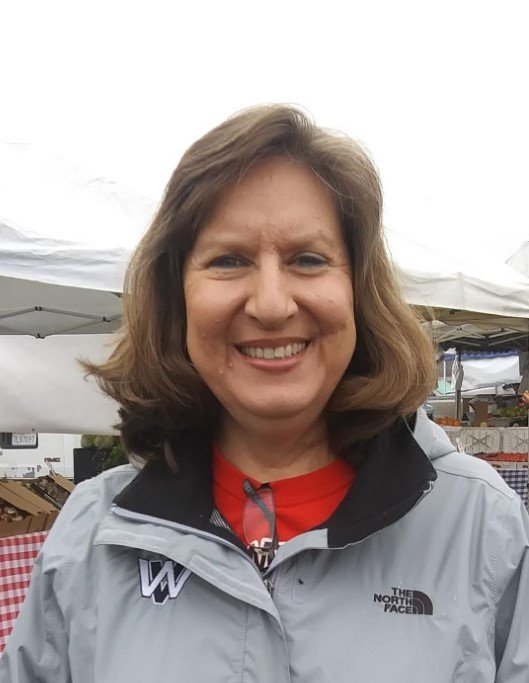
Catherine L. Osornio has written inspirational articles for a women’s ministry newsletter, over 200 leveled reader stories for a school’s reading program, fiction and nonfiction articles for Clubhouse and Clubhouse Jr. magazines, The Declaration of Independence from A to Z, Thunder Comes a Rumblin’, Mosquitoes Infect!, Danger on Martin Mountain, plus various work-for-hire projects.A former elementary school librarian, Catherine is passionate about sharing the love of reading. She enjoys cartooning, illustration, and reading kids’ books. Email her at CLOsornio@verizon.net or visit her at www.catherineosornio.com.
Unsplash Credits: Muhammad Daudy, Vitaly Gariev, Kaitlyn Baker, and Nathan Dumlao.
0 Responses
In the last two months (since the release of my 2nd children’s book), I have received numerous emails and phone calls with offers such as this. Sadly, I am ignoring all of them.
I launched a book in 2025, and it was the first time I ever saw these “offers” – and now they are calling up my old titles – some out of print – to offer on them too. It would be funny if not so annoying.
I get emails several times a week that praise my YA fantasy novel. They are all spam. A book club has its members buy your book and read it. They don’t ask the author for money. Spam, spam, spam.
I also get emails from bloggers. It all sound fabulous until they ask for money.
No blogger charges to interview someone. That’s not how blogs work.
And I get emails that praise “my book” but it’s not my book. It’s an anthology of short stories that I have ONE story in. I used to respond with that information and suggest they contact the publisher. One person said, “We can highlight just YOUR STORY! Don’t you want that?”
I responded, “No. My story is part of a whole book. I would not do that to my fellow authors.”
I don’t even read these emails anymore. I just report them as spam and block them. They keep coming anyway, but what else can we do?
I just deleted and blocked my third “offer too good to be true” from a scammer. I’ve noticed another clue: the signature ending is always “warmly,” or “warm regards.” I was really annoyed one time and thought if I respond and tell the sender I know he/she/it is an AI scam and not a real human, he/she/it would cease and desist. No such luck. The bot replied that it was a human, but would not bother me (I told them I wasn’t feeling well) since I was under the weather. However, another bot with a different name appeared the very next day. I now do as most authors are doing, hit the delete button.