
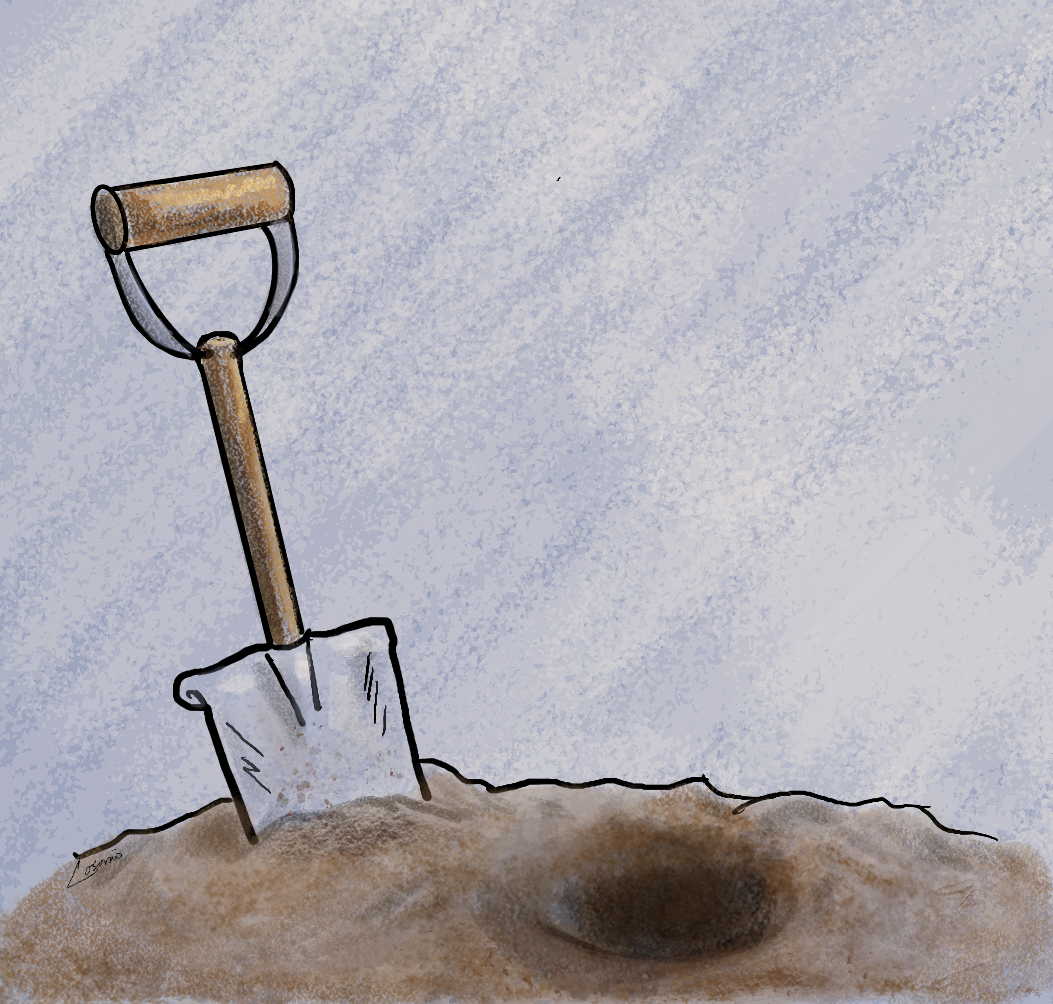
What happens if you are working on a nonfiction writing assignment that prefers primary sources and/or information within 100 years or so of the event? This isn’t your ordinary research project. This means you have to Dig Deep! Here are some tips to help in your research.
First, Find Out What's Available About the Topic
I have an assignment to write about a certain artifact used at a particular place and during a particular time in early American history. My first go-to is to look up books and documents that: 1) talk about the location of this event in history, and 2) that explore that specific artifact and its history. Even though the publisher wants to focus more on primary sources and to limit the time frame for secondary sources, this preliminary internet search will help me look at what information is generally available.
Once I have a list of these materials, I can look at their bibliographies to see what research they used. I have found some good resources that I hadn’t even thought of by looking at what other authors used. Then I go onto eBay to see if I can purchase some of these resources at decent prices.
Utilize Unique Search Sites

Sites like jstor.org or archive.org can open up ways to find either books or magazine articles about all sorts of historical subjects. Many of these materials are from books no longer in print, so they are great for checking out older editions. Using the Library of Congress’ website (loc.gov) can help find books, pamphlets, and even maps from various dates. I found some great finds on my particular subject on all three sites. And, by reading the introduction to some of these books, I found new sources of information under subjects I wouldn’t have thought to research.
Library databases can also be helpful. And don’t forget to look at online research from other countries. Since the 13 colonies were under British control, I found some information by looking at British museum websites.
Think Outside the Box for Topic Headings
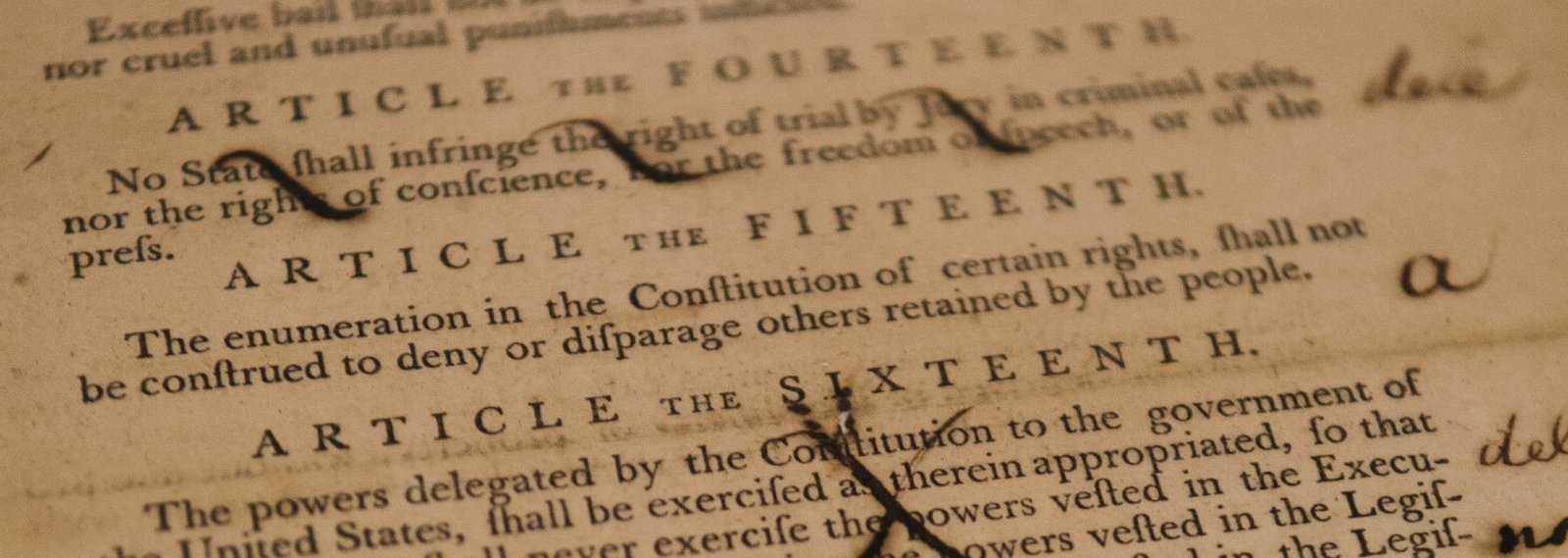
The time period I’m researching did not have a good spelling standard. Many words were written several different ways because the writers often wrote phonetically. Keep this in mind when you are typing in your key words, especially if you are able to do a word search within that particular document. Not all search engines are geared toward older English, so try spelling things out several different ways. And beware of automated transcriptions! Many of those programs don’t recognize the old English “s” that looks like an “f” or the “u” that looks like a “v.”
Also, think about the definition of words during your time period. A certain word used in our day and age could have meant something totally different back then. For example, if you were researching sailing vessels from a certain era, what was that vessel called? Were there other words for it? Finding periodic terms will help you dig deeper.
Follow Rabbit Trails!
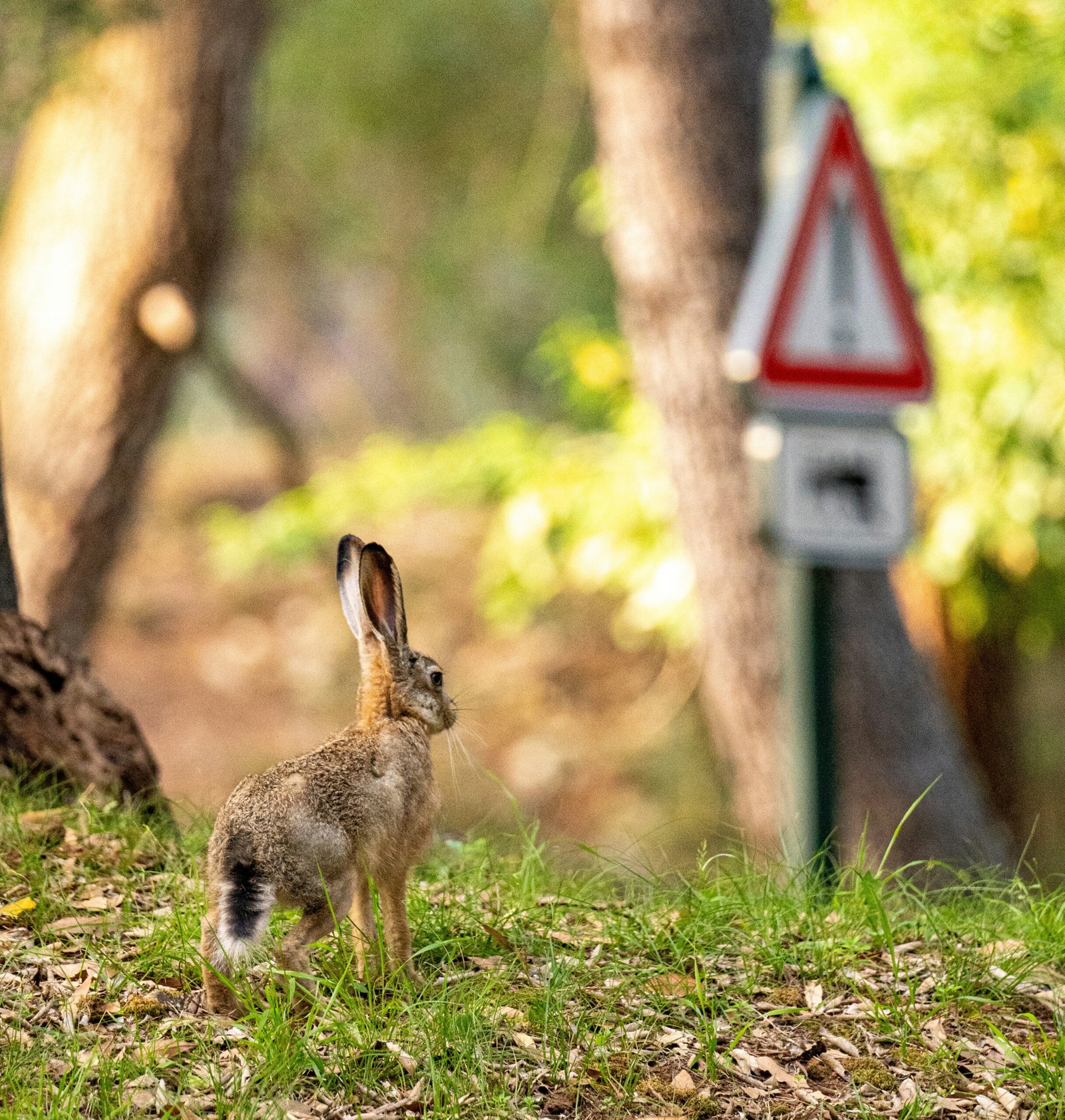
You don’t want rabbit trails when you are writing your story or article, but you do want them in research! Following certain trails can lead to discovering new information you hadn’t thought about. For example, looking into the history of my artifact led me to discover there were originally several different materials used in its creation throughout its history because of improved manufacturing techniques over time. That led me to research the actual facilities where this artifact was created.
Don't Discount Used Bookstores

Believe it or not, I have found useful information at used bookstores, thrift stores, and library book sales. Just recently I found an 1891 historical book at my favorite Friends of the Library book sale for only $5! You can find bargains and great info in the most unexpected places.
Researching takes a lot of time and patience. You can reduce frustration in finding those hard-to-find sources by using some of these techniques. Happy digging!
How have you dug deeper in your research?
Catherine L. Osornio has written inspirational articles for a women’s ministry newsletter, over 200 leveled reader stories for a school’s reading program, fiction and nonfiction articles for Clubhouse and Clubhouse Jr. magazines, The Declaration of Independence from A to Z, Thunder Comes a Rumblin’, Mosquitoes Infect!, Danger on Martin Mountain, plus various work-for-hire projects. A former elementary school librarian, Catherine is passionate about sharing the love of reading. She enjoys cartooning, illustration, and reading kids’ books. Email her at CLOsornio@verizon.net or visit her at www.catherineosornio.com.
Shovel image by Catherine Osornio. Unsplash credits Anthony Roberts, Serhii Kabakov, and Janko Ferlic.
This is fantastic! I hadn’t thought about how spelling would impact historical research.
I’m a nerd who loves to do research … and I have fallen into the trap of chasing bunnies down all the different paths. It’s never a question of whether I will run into a rabbit trail or two. They are always there, enticing me, like a bowl of Denali Extreme Moose Tracks ice cream.
Thank you for your tips! I’m looking into trying some historical fiction, but the idea of research can be daunting at first.
I loved the bunny trails image–and the advice. Some of my explorations (of real places in Charlotte,NC where my book takes place) landed amazing plot points! I LOVE RESEARCH. But you do have to know when to end!
Great tips!
I love research … and I don’t write nonfiction! We have to be careful, though. It’s super easy to get lost in it. One thing really can lead to a rabbit trail. A really l-o-n-g one. haha!
I love research, too! These are great websites and suggestions for getting the best information out there! thanks, Catherine!
Catherine, thanks so much for all of this very helpful research information.