
We tend to ignore spaces, focusing, instead, on people and objects. But spaces are important. Think back to a time when you took a family photo only to discover an unattractive object in the background. Or the Zoom call, when, too late, you saw how a wall decoration made your head lopsided. In this post you’ll discover how noticing and drawing negative space can reveal a new perspective for your writing.
Artists are trained to notice spaces (we call them negative spaces) around and within the positive objects we’re drawing or photographing. These spaces add definition to the objects, aid accurate drawing, and contribute to the overall design of a work.
For this drawing exercise, you get to draw one of your favorite things--your coffee mugs! Choose two with different-shaped handles and study the negative spaces between the handles and the mugs. Look until you see each space as a shape; then draw the shapes on your paper, looking back and forth as needed.
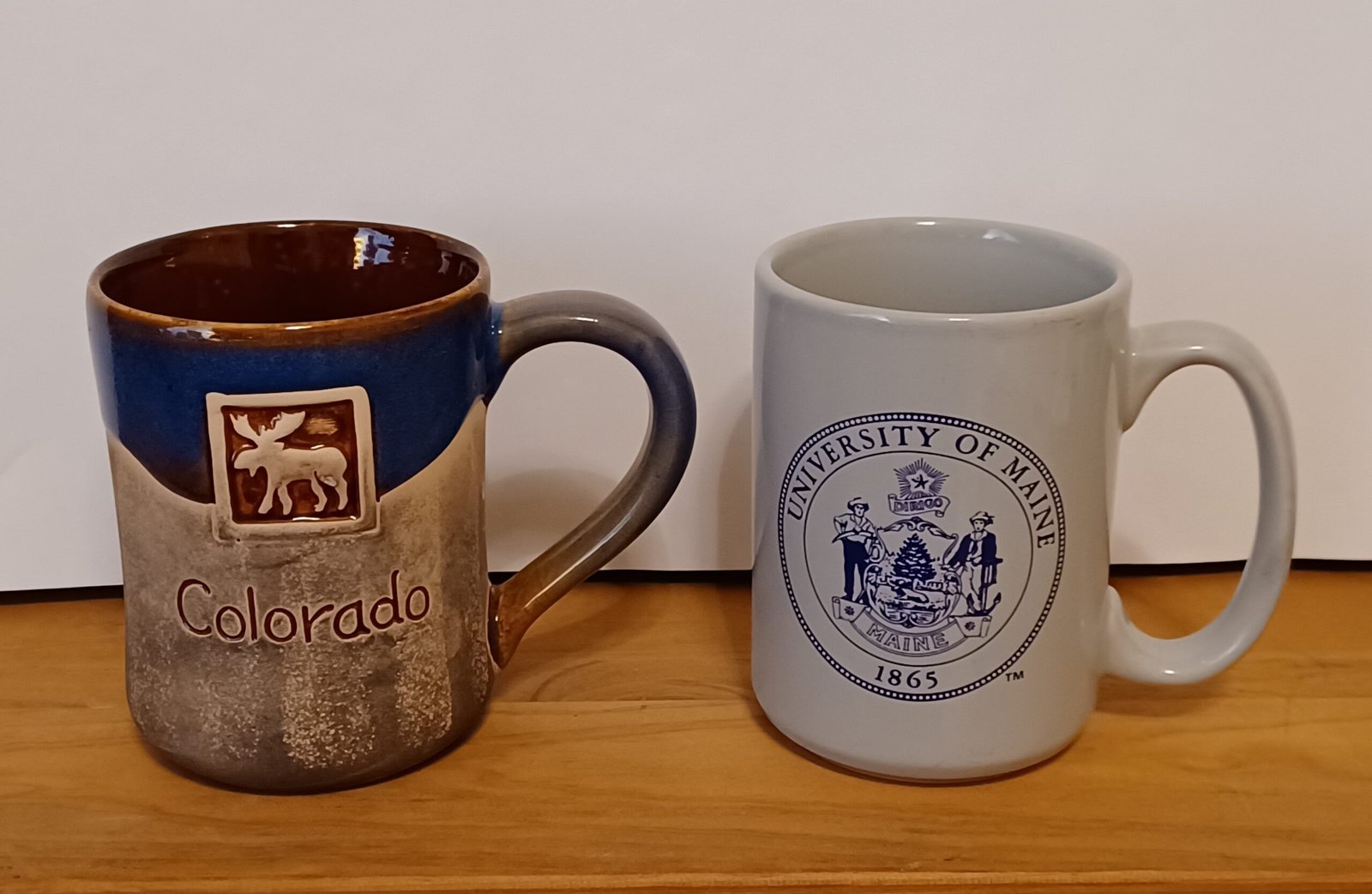
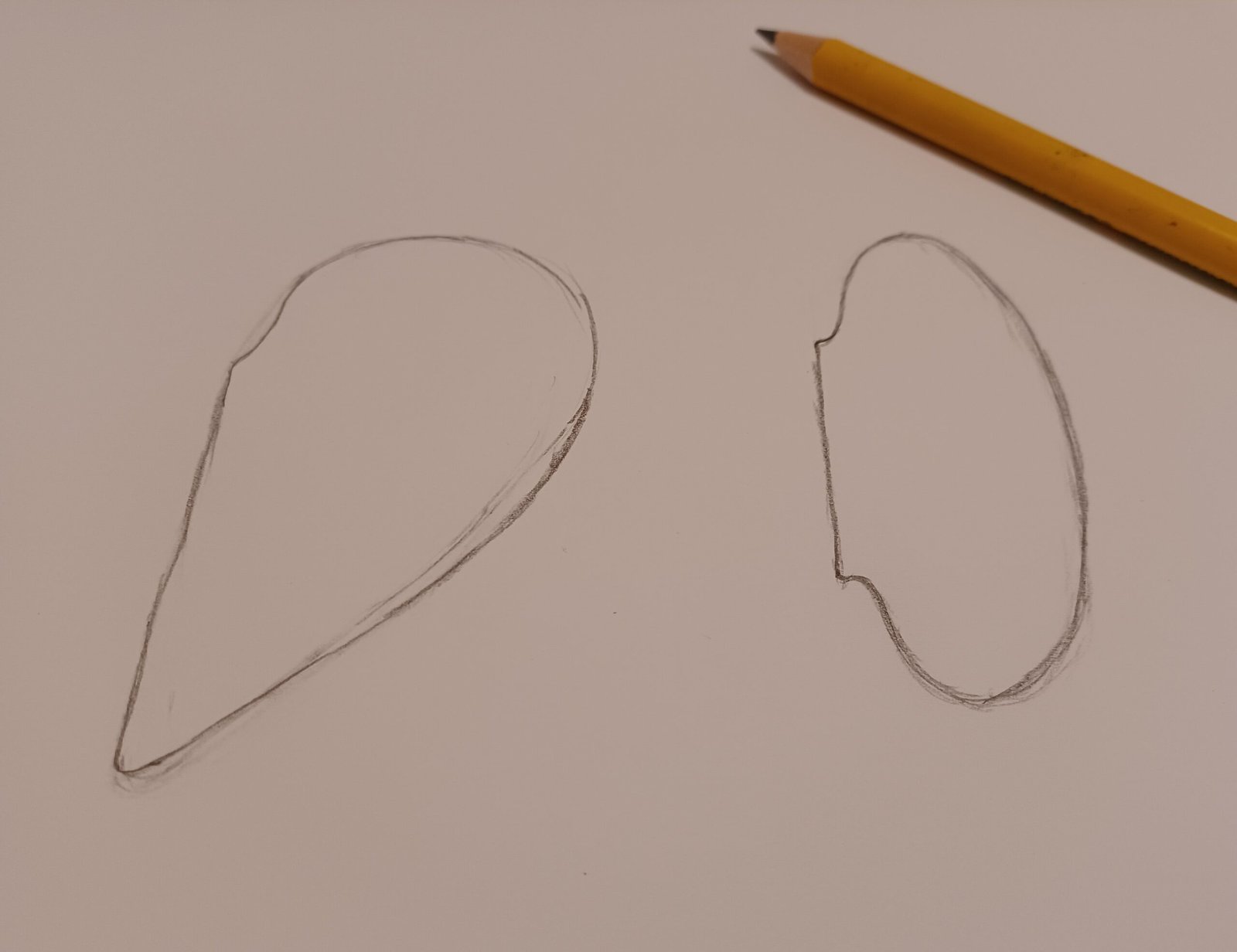
Grab your sketchbook and try these three exercises, too. The more you try this, the more you’ll find your creative right brain kicking in and enjoying a new way to look carefully.
- Choose a flower, and study and draw the shape of the spaces between the petals.
- Choose a non-upholstered chair and study and draw the shapes of the spaces formed between its parts.
- Study your non-dominant hand and draw the spaces between your fingers.

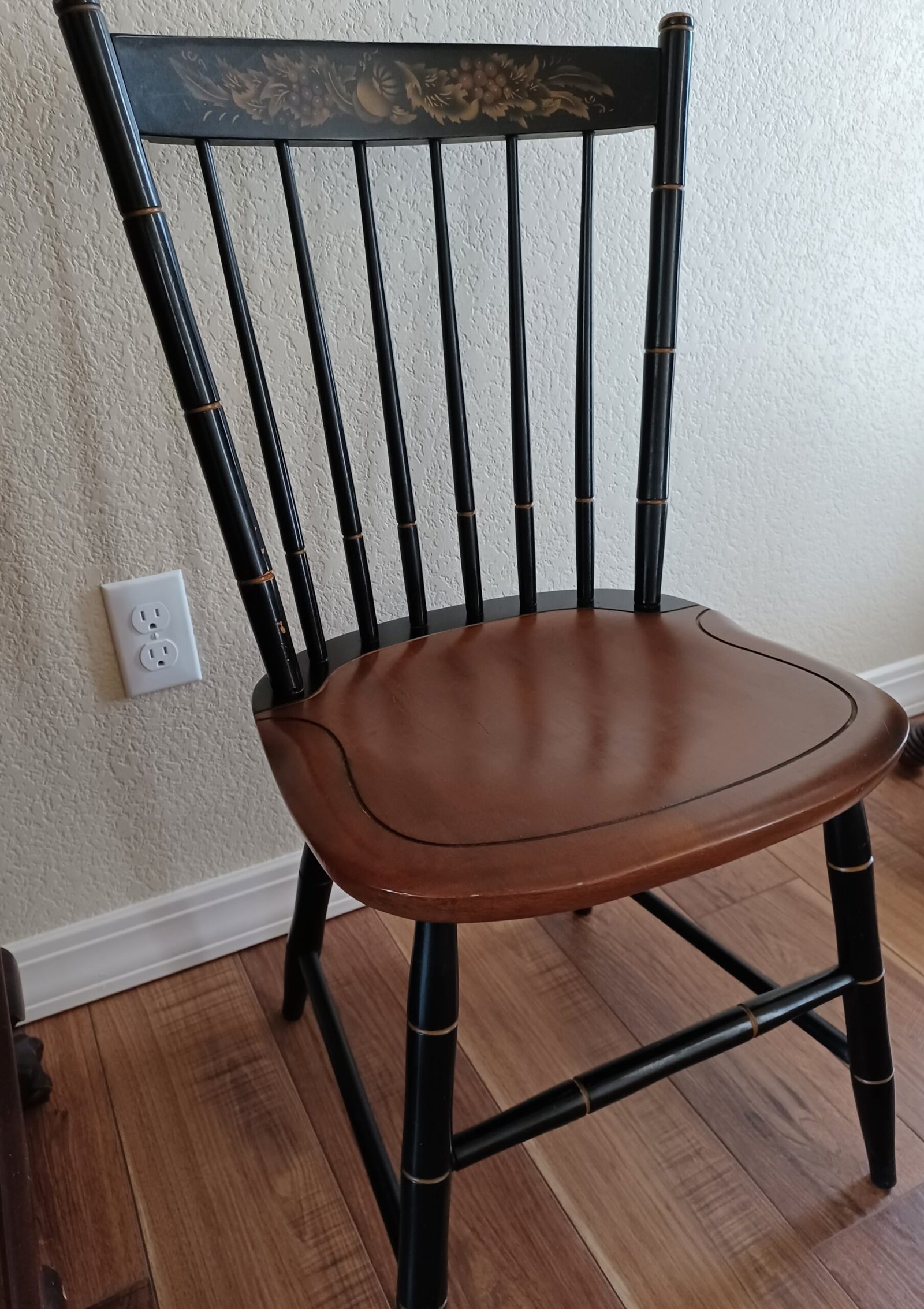
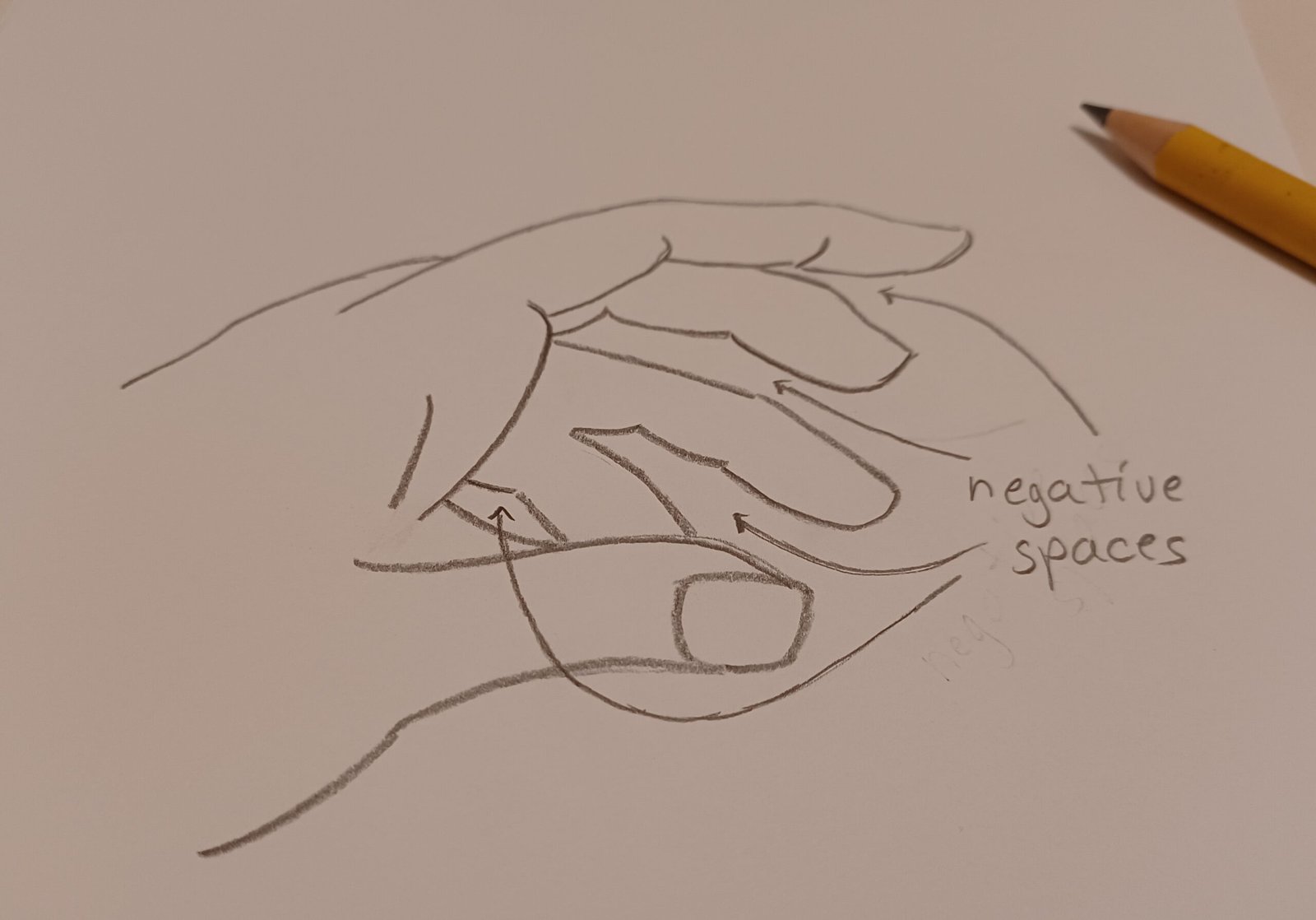
Notice how every space is a little different and gives you more information about the positive shape you’re drawing. Remember, drawing is a skill that can be learned, and the goal isn’t to make pretty pictures or become an illustrator. The process of learning new ways of looking is to give you another tool for your writer’s toolbox. Like your other research, no one else needs to see it. Besides, who’s going to say your drawing of a space is wrong?
What’s the positive effect for our writing?
Let’s say this is a scene from a story: a child has entered the kitchen, dropped her skates and jacket and tramped across the floor in her muddy boots to collapse at the table. Mom enters the room, and seeing the dropped jacket and muddy floor, places her hands on her hips. She leans forward, ready to scold.
In your writing you might describe the gestures—a child hunched over, a mother with arms akimbo. Or the details—tears rolling down a cheek, a frown on the mother’s face.
Spaces can also tell what’s happening. At first the space between the child and her mom is large, angular and filled with disapproval. But when the mother sees tears on the child’s face, she moves forward, closing and softening the space. She sits down and leans in to hear the story through the sobs—the knot in the skate laces, the frozen fingers, and worst of all, getting left behind.
When we’re angry we keep our distance, but when we want to be supportive, we move closer. We reach out to touch or hug and decrease the space even more. So when you describe the mother moving forward and sitting down, the reader can anticipate an understanding conversation. That contributes to a child’s grasp of an important comprehension skill—learning to anticipate what comes next in a story.
Or when you picture a scene in your story, think how some seemingly unimportant background object could be used to show mood or even the influence of an absent person. Sometimes a glance by a character at a grandmother’s hat hanging on a hook or a brother’s toys on the floor can reveal a little more back story without you having to go into a long explanation.
Looking at and drawing negative spaces reveals a new perspective for our writing, inspiring us to see scenes in whole new ways. It may help us encourage our readers to pause and think and become part of the story.
Stay tuned each 4th Monday for more posts to help you discover new paths to creativity.
Kathy O’Neill is an art teacher who loves to show everyone they can draw. Visit her website http://www.kathy-oneill.com/ to discover more about her writing and workshops, and her blog https://kathythepicturelady.wordpress.com/ for a Christian view of great art and related projects and devotions for children. Kathy’s goal is to engage children’s and adult’s hearts, hands and minds to discover God and their own creativity through art, history, and nature.
I love negative spaces. Haven’t really thought about how they are also in stories. Thanks for sparking new ideas!
You’re so welcome, Joyce! Negative space does indeed have a way of enlarging our perspectives!
I enjoyed this unique view of drawing and writing, Kathy. Thank you. Now I want to draw.
Thank you, Jeannie! I think the more ways we have to explore our world and what we like to write about, the better! I always appreciate the great ideas you have to help children explore!