
I received an email from a friend wanting to know how to find his target audience. He stated that he didn’t know who his target audience was, because he wanted to market to everybody. I sent him an email telling him that when you market to everybody, you market to nobody. It’s important to know who your target readers are, so you will have a better chance of reaching more people. God used this conversation to prompt me to share the following five tips with you to help you find your Target Audience. If you want to get more information, please see the source links in this post.
Who are you writing this book for?
First and foremost, as Christian authors, we are called by God to write books to give Him honor, glory and praise. Aside from writing your book for God, who is the one reader God has chosen for your book and your message? What does this potential reader look like? Can you picture him or her in your mind’s eye? The answer to these questions will help you develop a marketing plan for your book and build your author brand.
Find books that are similar to yours.
Knowing your genre and your age group is helpful on your marketing journey. Here’s how I’ve learned to narrow down my audience for the middle-grade book I’m writing. Find books that are similar to yours which are called Comp titles. Make a list of the bestselling books and authors in your genre and follow these authors on social media.
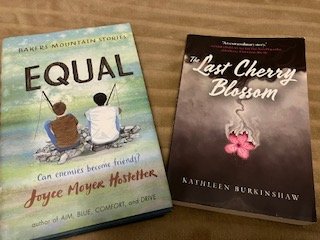
Comp Titles
Two Comp Titles for Half-Truths. Image courtesy Carol Baldwin
Find your secondary market.
This suggestion is important for those of us who write for k-12 audiences. Children don’t buy their own books, no matter how much they love the story. Expand your audience to include parents and educators as you get your books ready for publication. Having a secondary market for your books, also means that readers may look at independent bookstores, secondhand bookstores, and other places to find one of your books, rather than purchase your book from their favorite online retailer. Once you find the one person or group of people God has given you a message for, you can broaden your reach by identifying your secondary market or audience.
Check social media and other online resources.
Search for hashtags relating to your genre and age group on social media (e.g., #MGFantasy, #YAThriller #YARomance etc.). Search for reader groups on Facebook and other online platforms such as Discord to find your target readers. This type of research is called social listening.
Ask other authors for help.
There’s one final thing you can do after following the tips listed above, if you’re still struggling to find your target audience. Ask other authors to help you find your target audience. Reach out to the authors on your comp titles list. Ask them what strategies they used to find the target audience for their books. Be sure to return the favor by sharing your experience and any tips you found useful as you identify your target audience. You can also post a review of their book on Amazon, Barnes& Noble, Bookshop, and Goodreads.
You can also collaborate with authors who write in your genre and/or age group to help each other find your target audience. Newsletter swaps and tagging each other on social media are great ways to collaborate with other authors and promote each other’s work.
Call to Action
Now it’s your turn. What tips do you have for finding your target audience. Please leave your tips and suggestions in the comments and share this post with your friends.
Ann Harrison is the author of The Spirit of Creativity: Inspirational Poems for the Creative at Heart. She is currently working on a middle-grade mystery with supernatural and fantasy elements in the mix. She plans to self-publish Shadows on the Wall, the first book in her debut middle-grade series, Spirit Writer Society.
Ann has been published in several anthologies, including a devotional entitled God Things: Hope for the Hurting. Aside from her work as a children’s book author and poet, Ann is a professional freelance writer and editor, offering developmental and line editing services. She also hosts a podcast titled Inspirational Journeys: Stories that Matter, where she gives children’s book authors a platform to share their stories. When she’s not interviewing special guests, she hosts solo episodes with book reviews, reading selected poems, and sharing tips and encouragement for aspiring authors.
Please Visit Ann’s website to sign up for her newsletter. You can also and find her on social media:
This is such an important part of our writing process! Thanks for some good ideas on figuring out our audience, Ann!
Great job Ann! I’m still learning how to keep all of these things in mind.
Helpful tips here! Another place I look for my secondary audience is LinkedIn. I write nonfiction for children. If it’s a topic in American history, I search for historians, museum personnel, national parks, and more. I make connections with them and learn from their expertise. Also, I look to see what groups they belong to and with whom they interact. These history lovers buy books for children.