Despite Hurricane Helene's horrific path of destruction, Natalee Creech led an information-filled Master Class on using lyrical language. Our numbers were reduced because of power outages in many parts of South Carolina and North Carolina, but those who attended left with brains stuffed full of new ways to empower our writing.
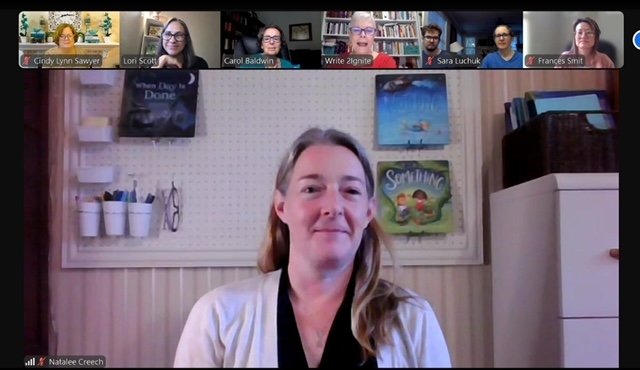
What Did Natalee Teach?
Actually, I think that question should be what DIDN'T Natalee teach?
Three workshops were full of information and exercises on:
- What lyrical writing includes. Tips: it uses strong imagery, includes many sensory details, and evokes emotion.
- Uses sound devices such as onomatopoeia. Because it uses sound so much, it is extremely important to read your work out loud. Better yet, have someone else read it to hear how it sounds.
- Allitertion. My favorite "go to" device. See the first sentence of this blog.
- Consonance. Repeated constonant soundes in the middle or end of nearby words. Hard to write!.
- Assonance. Repeated vowel sounds in middle or end of nearby words. Ditto last comment.
- Repitition. Repition. Repition. More devices than I ever heard of! Anaphora. Epizeuxis. Epistrophe.
- Rhyme. Both at the end of a line and internal rhymes. Also "half-rhymes."
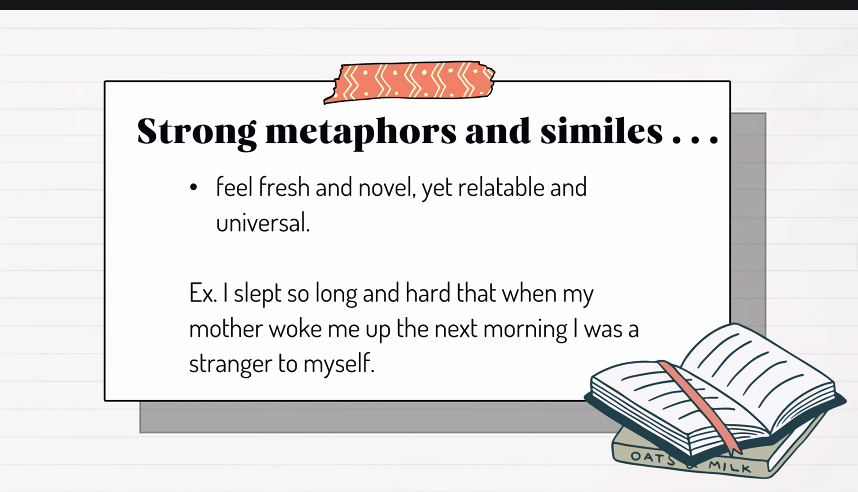
- Playing with imagery using similes and metaphors.
- Hyperbole and Understatement. Not in a kazillion years did I imagine that exaggertion or downplaying a situation was lyrical language.
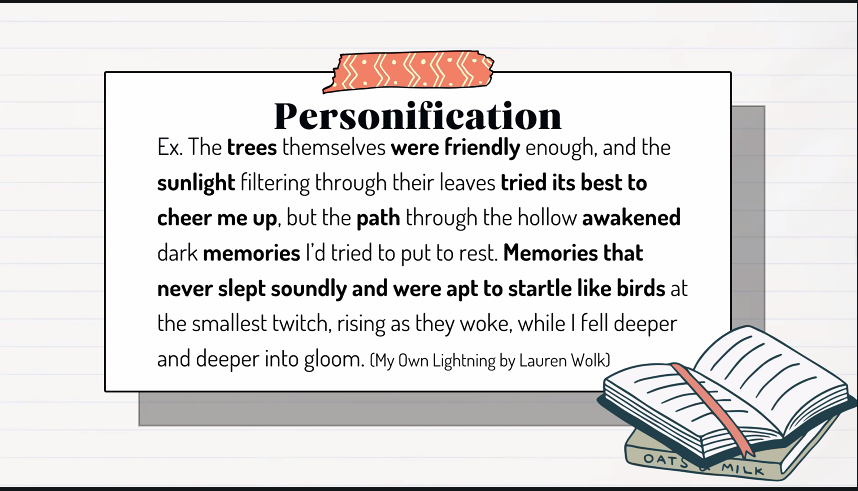
- Personification. Stacks of mentor texts kindly assisted Natalee in demonstrating each device.
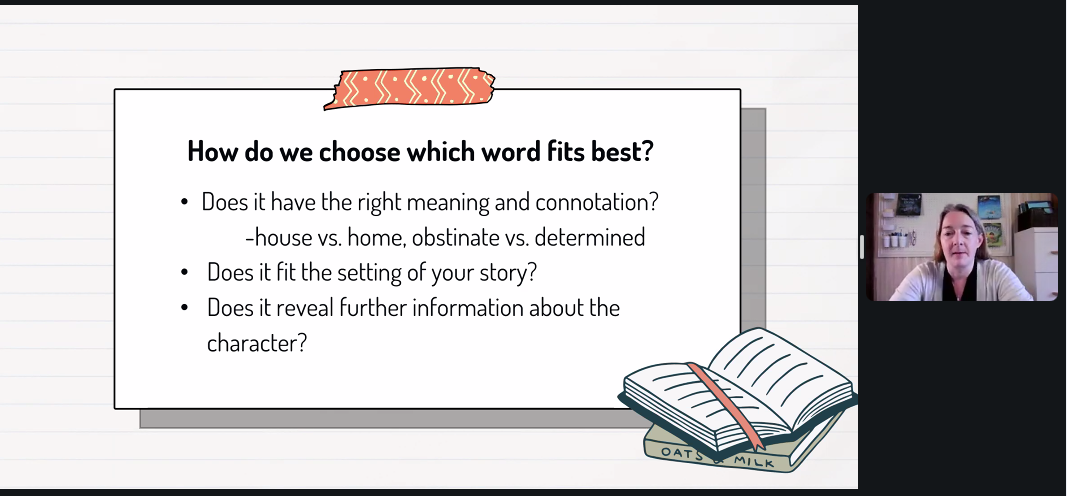
- Word Choice. If you have ever stared out the window for long stretches of time trying to find the right word you are a writer!
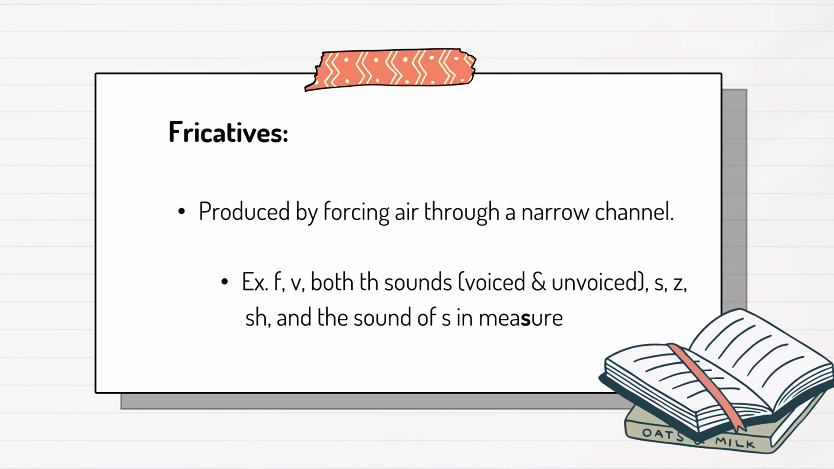
- Letter Sounds. Some of this was Greek to me (pardon the cliche', Natalee!)
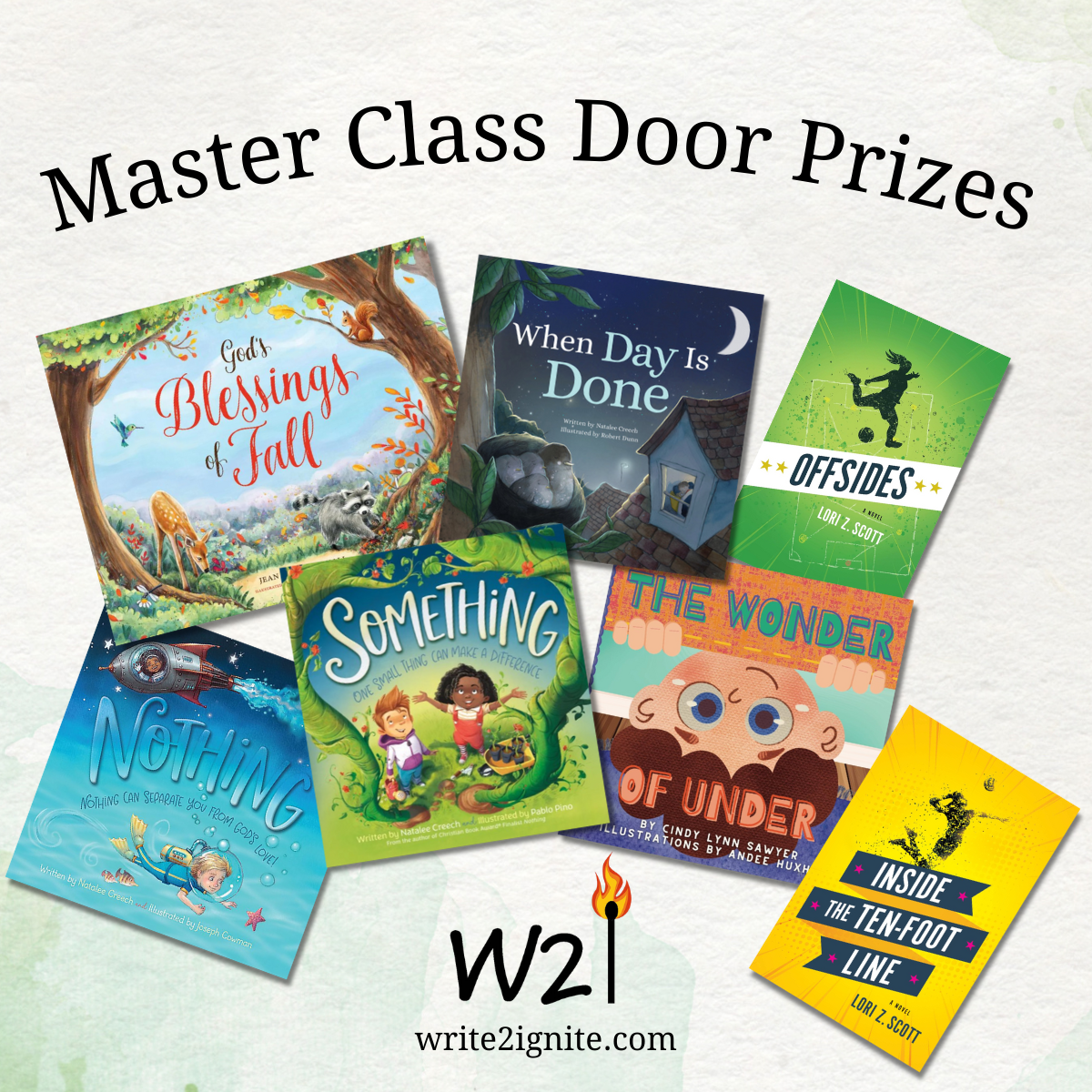
Door Prizes
Throughout the day I had the pleasure of giving away books that Natalee and our author panel donated. Seven participants won these books.
Author Panel
Cindy Lynn Sawyer, Jean Hall, Sue Irwin, & Lori Scott joined us for an informative author panel. Here are some highlights:
- Let the sound of your words parallel what you're trying to convey in the text. Lori Scott
- If someone else reads my manuscript out loud to me and all I hear is the literary device then I know I've overused it. Jean Hall
- In MG and YA, use softer words to create a gentle scene; use harsh-sounding words for action scenes. Lori Scott
- Reading a picture book is an opportunity for the adult to be a performer and allows children to join in with repeated phrases. Sue Irwin
- To determine the effetiveness of your manuscript, use beta readers outside your own friends and family. There are Facebook groups that are beta readers. CIndy Lynn Sawyer.
Guest Speakers
Natalee incorporated short videos from authors and an agent sharing their top tips on using lyrical language. Here are a few:
- Profliic writer Glenys Nellist said, "Let someone else read it out loud."
- Agent Adria Goetz said, "Lush language makes a book more appealing to the ear." Manuscripts can't rely on just lyrical language. They must have a compelling plot and story.
- Author Tina Cho recommended making a list of comparisons to the culture in which the story takes place. She also suggested reading her blog, How to Write a Lyrical Picture Book: A Self Study.
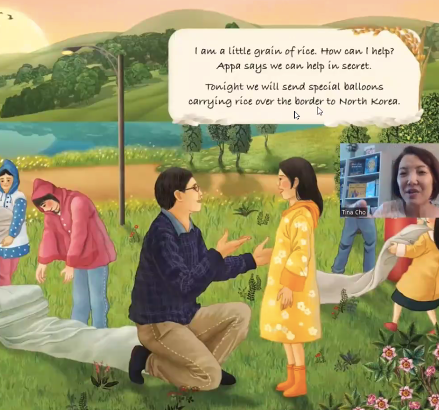
One page from Tina's book, Rice From Heaven.
If You Missed this Class
If you signed up for the class but missed it for any reason, you will receive an email with a link to the recordings as soon as they are available. If you didn't sign up, I hope you will follow some of the links and attend a future master class.
It was a wonderful Master Class. Natalie was so organized and had so much helpful information to make our writing more lyrical.
It sounds wonderful! I’m sorry I missed it. Looking forward to the replay!
Technically, I suppose hyperbole and understatement are figurative language or literary devices rather than lyrical language… it’s entirely possible I got carried away with all the fun stuff to teach!
I’m working my way through the replays and there’s so much great info!! Well done, Natalee and crew!