
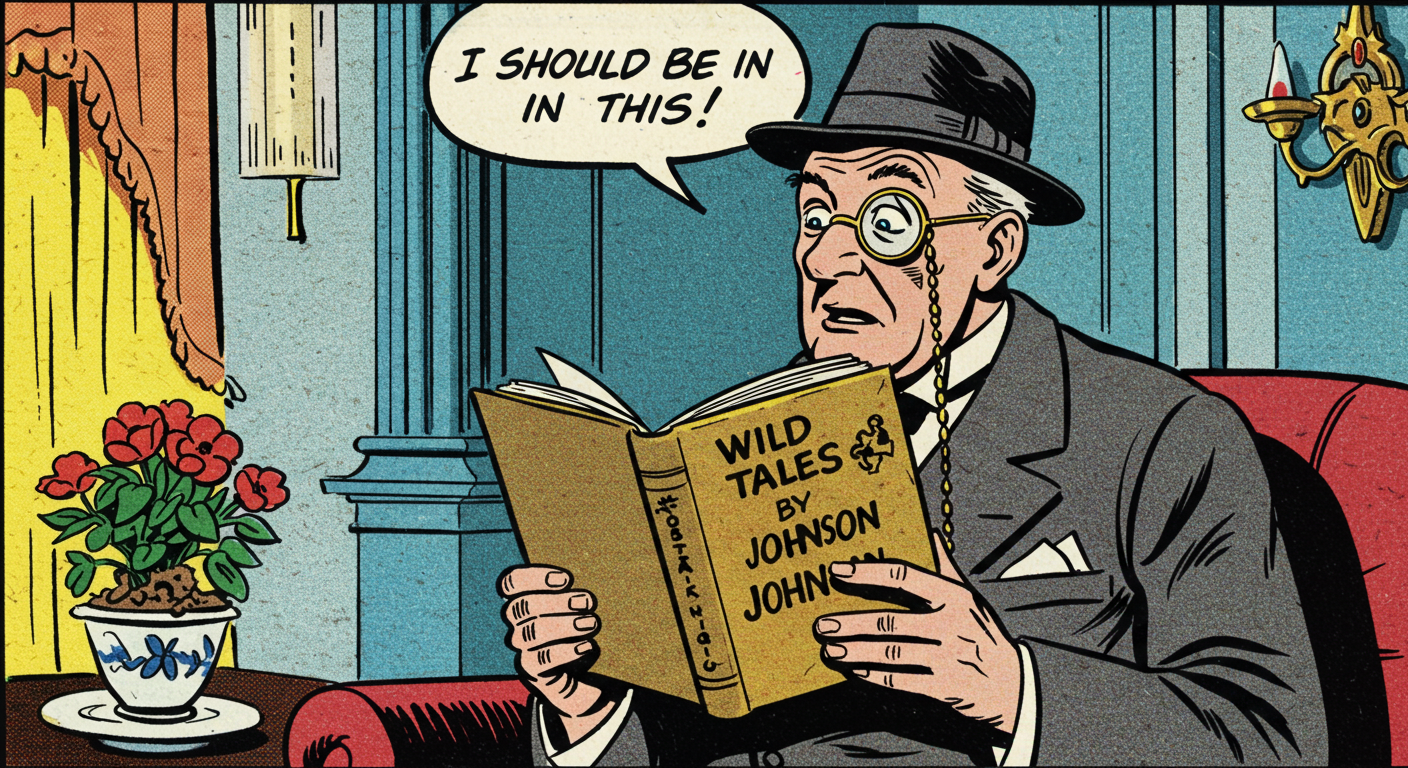
It’s an honest question. Obviously, if you are writing first person POV, then this does not apply to you. Of course your narrator should be a character. Otherwise, it ain’t first person! But what about third person? Should your narrator have a distinct personality? Should your narrator be you? Mark Twain and Charles Dickens seemed to do this in their work. Especially Dickens in A Christmas Carol. The way he describes things. He is a writer talking to the reader.
“The mention of Marley's funeral brings me back to the point I started from. There is no doubt that Marley was dead. This must be distinctly understood, or nothing wonderful can come of the story I am going to relate.”
Notice the use of “I” and "me" in these sentences. For a moment, you think this is first person narration. However, it becomes quite clear that the narrator is not Scrooge nor is he any of the spirits that visit him. The narrator is Charles Dickens himself.
Out With the Old, in With the New
But this was from a time when writers were celebrities. They weren’t just selling stories; they were selling a brand of stories. It can be argued that James Patterson has become a brand more than an author, yet in his book Pottymouth and Stoopid with Chris Grabenstein, it is the characters who narrate the book. Patterson and Grabenstein disappear in the story. Kate DiCamillo is a master of the MG novel, yet are not her narrators unique? And isn’t that what we want to do? India Opal Buloni is completely different than whoever narrates The Magician’s Elephant. Or the narrator of the Mercy Watson series. Why? Because Kate disappears in the story.
What's the Purpose?
Can you see where I’m going with this? I’m getting the answer to my first question, by asking another question: what is the purpose of the narrator? In my MG book Pirated! my narrator is T.J. Simmons. This first person POV allows me to narrow the focus of the book on one character. It also allows me to crack a lot of jokes that are internal thoughts, or observations. Like this:
As I sank further into the couch, I could feel my dreams sinking as well. Like when Captain Lockhart’s ship The Powder Keg sank to the bottom of the ocean. Good news never came after my parents had prayed about something. Never once did they say “Kids, we prayed about it, and we feel like God wants us all to go see the Pittsburgh Pirates on opening day.”
Not that prayer is a bad thing. Just last night, I prayed that Mom and Dad would let me see the movie. But now that I knew Mom and Dad had also prayed, it felt like I was making God choose between me, and my parents. And I started to get the feeling my parents had won.
How would that have been different in third person? Would I have been able to make the joke about bad news always coming after the parents say they prayed about it? Let’s try it out:
As T.J. sank further into the couch, he felt his dreams sinking as well. Like when Captain Lockhart’s ship The Powder Keg sank to the bottom of the ocean. Good news never came after his parents had prayed about something. Never once had they said, “Kids, we prayed about it, and we feel like God wants us all to go see the Pittsburgh Pirates on opening day.”
Not that prayer was a bad thing. Just last night, he prayed that Mom and Dad would let him see the movie. But now that he knew Mom and Dad had also prayed, it felt like he was making God choose between him, and his parents. And he started to get the feeling his parents had won.
This isn’t bad, mind you. But it feels more distant. And it feels like the narrator is editorializing. It feels like the narrator is telling rather than showing.
Telling Rather than Showing
It gets worse when a narrator tells the reader how they should feel about a character.
“He was an ugly person inside and out. The kind of person no one would make eye contact with. He would stare into their souls, haunt their dreams, and steal their magazines from their front door.”
This feels too old-school. Even in books, actions speak louder than words. A good third person narrator either disappears in the story or mimics each character’s emotions so you feel like you’re inside their head. Without them telling you the story. Lemony Snicket got away with it by being author, narrator, and a character all rolled into one. But this is hard to do. After all, Lemony Snicket is in a class all his own.
I can hear you objecting to my idea by saying, “But Kyle, what about voice? What about style?”
Voice and style are your book as a whole, not small moments where the narrator oversteps their bounds. Voice and style are how you define your whole story. How you tell it. We are not writing Greek tragedies. A chorus is not necessary. Unless, you are the classic Western film Cat Ballou and you pull it off beautifully.
Despite what I am saying, I like a narrator who feels unique. But there’s a line that is so easy to cross. The line where the narrator keeps pausing the story to tell you about something. The story should always be moving forward or backward, up or down, left or right. But your character’s must never play statue and wait for the narrator to say “unfreeze!” When that happens, you know that your narrator has crossed the line, entered the story, and become a character. And when that happens, it’s time to switch to first person POV.
Who is your favorite third person narrator? Let me know in the comments. I think mine is Lois Lowry in The Giver.
Author Bio

Just like his two older brothers, Kyle Morgan was homeschooled from Kindergarten through High School. When he is not busy writing the next classic children’s book, Kyle loves spending time with his family, all things baseball, and watching black and white movies. He is a monthly contributor to Write2Ignite where he blogs about writing for children. His work has appeared in The Old Schoolhouse Magazine, The Caldwell Perspective and StarLight Magazine. You can check out his Facebook page or follow him on Instagram.
Very thought provoking, Kyle. And I didn’t know you are writing (or written?) a MG novel. Cool! I know what you mean about the narrator crossing the line and telling the reader what to think. This is something we all need to consider.
Great thoughts on narrators–we definitely don’t want them crossing a line. I think my favorite narrator is found in Wynn Dixie.
Great thoughts, Kyle!
My favorite author who often crosses the line as a narrator is Tolkien in The Hobbit. He doesn’t really do that in LOTR, but then, the target audience is different for each book.
Personally, I love it when the author talks directly to the reader, but it has to be done well. Same for omniscient POV, of which Tolkien is a master there, as well.