Elements of Parable Writing

Whenever I come up with an idea, I immediately start planning my next novel. With my latest project however, I have learned to practice the art of shorter stories, or in my case, parables. A parable is “a simple story used to illustrate a moral or religious lesson.” As you know, the Bible is full […]
Writing Resources: Before and After the Book Deal by Karley Conklin
“Remember that ‘author’ is always a temporary job description . . . Your permanent job description is ‘writer’ and that’s what you are even when no one else is looking.” —Author Kristoper Jansma (quoted in Before and After the Book Deal, pp. 333) Today’s publishing world offers a plethora of writing resources. A simple search […]
Why I’m excited for the Writing Fiction Master Class (and why you should be too)! by Jean Hall

Write2Ignite’s Writing Fiction Master Class is coming up Sept. 19! In just two weeks, author Joyce Moyer Hostetter will be presenting three sessions to help attendees learn more about fiction writing. Plus, the Write2Ignite team will be leading three workshops to help you apply the skills you learn during Hostetter’s sessions. Last year, I had […]
5 Tips for Using and Understanding Literal and Metaphorical Language, Part III by Deborah DeCiantis

TIP #3 Don’t avoid tough literal situations by referring to them only as metaphors. Taking literal language metaphorically is equally problematic. Kids can be masters of metaphor. Ask “Didn’t I tell you not to play in the mud?” and they answer, “We weren’t playing, we were making a snack for the frogs.” One child, […]
Have You Found Your Writer’s Voice? by Jarm Del Boccio
On one of my blog posts, where I shared a “Flash Fiction” piece, a commenter had mentioned that I had “a voice”. I can’t tell you how thrilled I was with that revelation! I kept saying to myself, over and over: “I have a voice! I have a voice!” as if I had received the […]
5 Tips for Using and Understanding Literal and Figurative Language Part II by Deborah DeCiantis

TIP #2 Don’t interpret literally what is supposed to be understood metaphorically. Taking figurative language literally is a problem that leads to misunderstanding and misinterpretation. Does the photo above depict sunshine or shadow? A literal book title based on this image might be Sunshine on the Pages or Shadows on the Pages [When Grandpa Reads]. A nonfiction […]
3 Tips from “Self-Editing for Fiction Writers” by Karley Conklin

“The secret to editing your work is simple: you need to become its reader instead of its writer.”–Zadie Smith Write2Ignite’s 2020 Master class with Joyce Moyer Hostetter is only a month away. The Write2Ignite team has suggested checking out several chapters of Self-Editing for Fiction Writers by Renni Browne and Dave King as a way […]
9 Tips for Writing Unforgettable Characters by Deborah DeCiantis
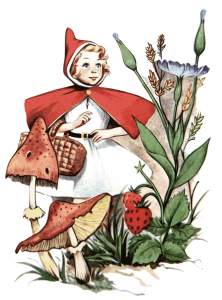
According to Elaine Marie Alphin (Creating Characters Kids Will Love p. 2) “Kids read because a magical closeness springs up between them and the characters in books and stories—the same magical closeness I felt as a child. They read because a writer has brought a character to life on the page for them.” Every great […]
5 Tips for Using and Understanding Literal and Figurative Language Part I
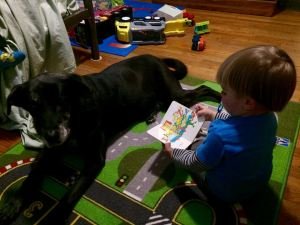
Tip #1: Use clear definitions and illustrations to distinguish literal from metaphorical. For writers and readers alike, understanding the terms literal and figurative (metaphorical) is essential: what do they actually mean? And how can we distinguish the way language is being used, whether in conversation, on social media, in literature, in advertisements, in business documents, […]
Our Publishing Dreams

We’ve all had longings or yearnings during our lives, especially when we were young. Having the whole world before us, we could dream about what our lives would look like as writers/authors. “If only I could publish a book” “I wish I could find the perfect literary agent” “If I could only have more sales” […]