
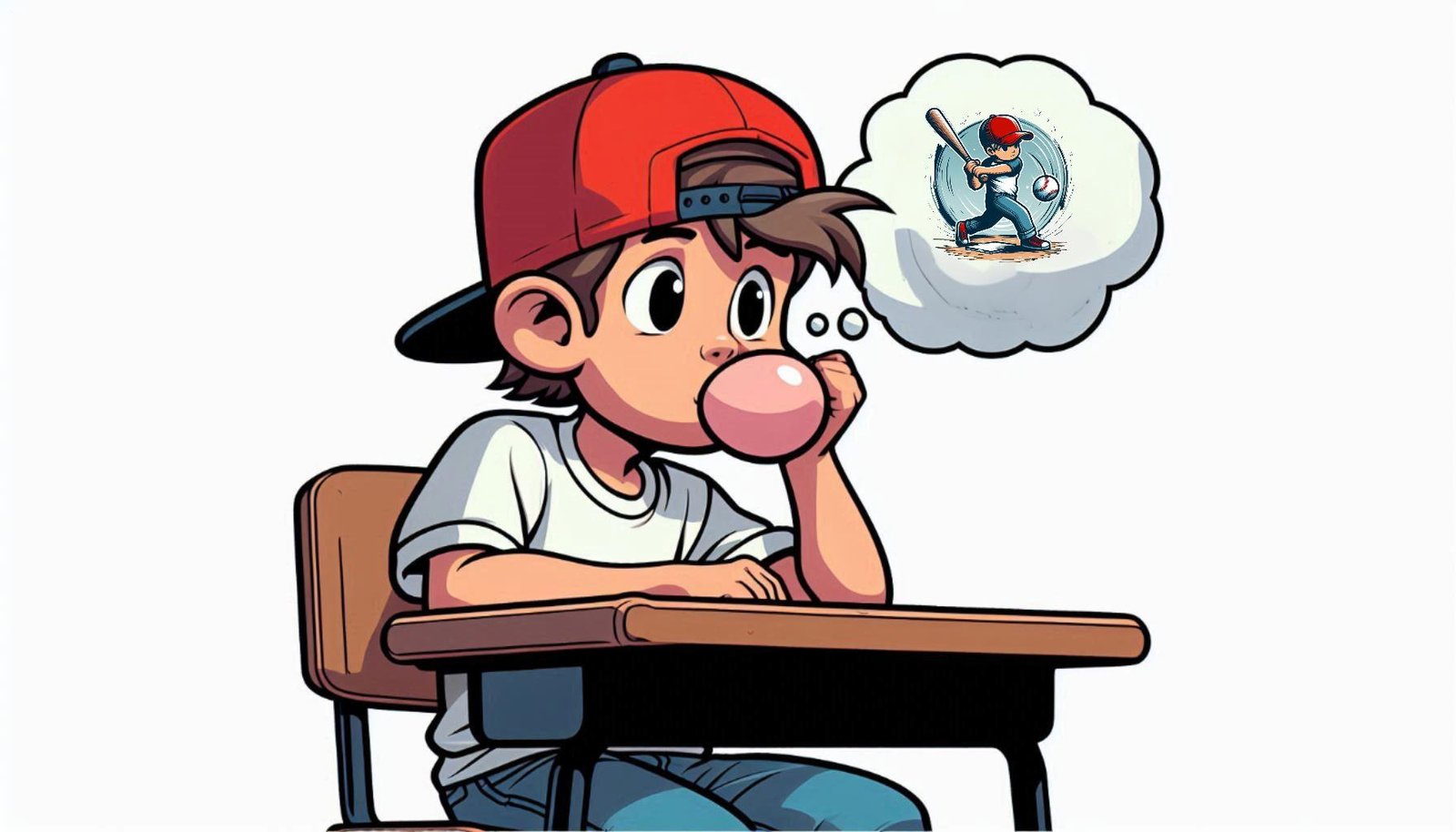
There is nothing more painful as a writer, than staring at the blank page, with your mind even blanker. Some people call this writer’s block, some people say writer’s block doesn’t even exist. But neither of these offers a solution. Today, I’ll offer mine: prewriting. An umbrella term, prewriting can mean anything from brainstorming, drafting, to freewriting. But for this blog post, I’m defining prewriting as mental exercises you can do before you sit down to write. Because for writers with limited time on their hands, we cannot afford to sit down with no clue where to begin. But when you’ve done your work, you can sit down any time of the day, and the words will pour out of you: this is the craft of prewriting.
To put it another way, prewriting is when you do the first draft in your head. I'm not talking about word choice or lines of dialogue here. I'm talking about the look of a scene. The feel of it. I'm talking about setting. How do you see it in your head? If you can’t visualize it, you won’t find it by typing on your keyboard. Here are some ideas that have helped me along the way.
Rehearse with your Characters
Remember that awkward conversation you had last Sunday at church? Remember how many times you’ve run through it in your head? How you would respond differently? THAT’S prewriting. When you run through your food order while you’re standing in line? THAT’S prewriting! You apply this same strategy to your scene. You run through scenarios in your head.
If Heath tells T.J. to lie to his father, what will he do? Just like how a computer runs simulations, your brain should be running through your scene. Try alternate takes. Rehearse with your characters. One writer I know actually sits her characters down and interviews them. Don't be afraid to improvise before it's on the page.
Try a Different Camera Angle
Much like a director has options of where to put the camera, you as a writer can decide how to open your scene. What point of view do you want? Where should you start? When should you start? This can become especially tricky when you are writing in third person omniscient. The options are endless, so there is danger in getting too creative. But don’t be afraid to experiment in your head. I find even when I have visualized the scene beforehand, half the time I still end up rewriting the opening. That’s okay. You can’t fix what isn’t there. Which leads me to my next exercise.
Edit in your mind
There is something to be said about writing a messy first draft so you can fix it later. But by prewriting, at least you are ready when you finally sit down to write. Hitting backspace, deleting pages, or crumpling them up (if you’re old school) is a frustrating part of the process. If you are someone with limited time to write, make sure your subconscious is always editing your scene. Even before you write it. Whether it is making a meal, cleaning the house, driving to and from work, or working out at the gym, there are many moments in life where we could be writing and editing in our minds. Just make sure you don’t burn food, rear-end someone, or trip and fall off a treadmill.
Walk around the set
To use another filmmaking analogy, walk around the set in your mind. Try to picture what it looks like. Imagine what smells, sounds, tastes, and touches exist there. What is the temperature? What time of day is it? Adding these kinds of details helps you visualize the scene better. And once you can picture the scene, all that is left to do is describe it. Explore the place. If you can't picture it, you might have a problem describing it.
Memorize your scene
Prewriting is more than just drafting better. It is about knowing your scene. Just like a good actor is ready for rehearsal, you should have your scene memorized. Not word for word, but you should go over the scene in your head. Over and over and over again. Not only does this help you write better, but it also helps you explain to friends and family what happens in your story. I tell my family members all about my story. Sometimes they pretend to fall asleep, but that’s okay. It’s not about them. It’s about knowing your story inside and out. Knowing how your characters think. Knowing your scene so well that all that is left to do is write it.
It doesn’t matter if you are a pantser, a planner, or a plantser. Prewriting is a time-saving technique. For me, it became a necessity. During my high school years, when I was homeschooled, I had all the time in the world. I wrote every day, without fear of how long it would take. I would just write until I ran out of gas. But once I started college, it was a different story. I needed to set aside blocks of writing. The tight schedule hurt my creativity. I could no longer pace the floor before I wrote. Other things had to be done! When I sat down, I needed to make it count. Once the music began, I needed my fingers to dance. Now, even if I have the time, I won’t sit down to write until I have done some prewriting in my mind. If I don’t know what I’m going to write about, what is the point of trying?
So, if you find yourself stuck. If you have hit a roadblock, don’t force it. Do the mental work. Visualize, rehearse, memorize. That is the craft of prewriting.
What are some of your prewriting exercises? Let me know in the comments below!
Author Bio

Just like his two older brothers, Kyle Morgan was homeschooled from Kindergarten through High School. He graduated from Grand Canyon University in 2025 with a Bachelor of Arts in Professional Writing for New Media. When he is not busy writing, the next classic children’s book, Kyle loves spending time with his family, all things baseball, and watching black and white movies. He is a monthly contributor to Write2Ignite where he blogs about writing for children. His work has appeared in The Old Schoolhouse Magazine, The Caldwell Perspective and StarLight Magazine. You can check out his Facebook page or follow him on Instagram.
I do pretty much all these things, Kyle. I don’t have lots of writing time, so I do quite a bit of writing in my head. Then, when I do sit down at the computer, I get more done.
I used to feel bad at conferences when a speaker would INSIST to be successful, we HAD to write EVERYDAY! I tried. I really did. But my life was/is so different from most of my writing friends because I have a special needs adult daughter who needs 24/7 care. I realized one day (probably when I was jotting down something about a story when I sat next to her hospital bed) that God had wired me to prewrite and edit in my head! I stopped feeling bad that I didn’t/couldn’t write everyday.
Now, I have a set aside, dedicated writing time on Tuesday nights. It’s a sacred time that I hate having to miss if something comes up. And I get more done than if I wrote everyday.
Deadlines are different. I love me a good deadline! haha! Deadlines will make me write more often. But mostly, I do all the things you said. Wish I had known all this when I first started, oh, so many years ago!
Pam,
Thank you so much for reading! I’m glad you’ve stumbled upon these as well. That is the beauty of writing: it can fit almost any type of life! 🙂
I like your ideas. I will give them a try.
Thanks! Let me know how it works! 🙂
Great article, Kyle! I use the visualize part first before I sit down to write. I don’t have time to waste in my day, so when I do stop to write, it needs to count.
Thanks, Catherine! Visualization is key!
I love this perspective, Kyle! Reframing & naming it rewriting takes the potential shame (if you want to call it that) out of not getting writing done. Something is happening!!
Thank you so much, Marci!
On the outside, it looks like I am not writing. But when I put the TV remote in the freezer, it’s clear that something is happening! 🙂
Great ideas, Kyle. Making a movie in my head is my go-to. But I love all of these exercises. Thanks. Jean
Thanks for reading, Jean! 🙂