

You’ve worked hard on your manuscript. You found a publisher that you think may like your story, and you send it out with great expectation. You wait several months. You hear nothing back, which is not uncommon nowadays. Most publishing companies only respond if interested. You believe your story must not have been a perfect fit, but have you thought it may be something else? You may not have met their Submission Guidelines. Let’s look at some key elements to be aware of before you send out your story.
Agented or Unsolicited Submissions

Finding the submission guidelines for a particular publisher can be like looking for a needle in a haystack. It can be buried deep within the website, sometimes in the About Us tab, or the FAQ area. Once you find them, you first need to see if the publisher is accepting manuscripts at all. Some companies get so inundated with submissions that they can’t handle the workload and they stop accepting stories. If it is still a green light, make sure you determine if they accept unsolicited manuscripts. This means they are willing to accept material from someone without an agent. If it is agent only, and you don’t have one, don’t even think of sending your manuscript. It will be an automatic rejection.
Genre and Age Group
Look at a company’s catalog to see if they have a similar genre to what you are writing, and then check if the guidelines show they are accepting manuscripts for that genre at this time. If they get too many fiction stories, for example, and are currently only accepting nonfiction, then don’t send them your re-imagined story about Jack and the Beanstalk. And, make sure they are accepting material for the age group you like writing for. Some companies don’t accept picture books at all and may only need YA.
Word Count
You may have the best novel a publisher will ever want to read. But if they are only accepting up to 20,000 words and you send them a 30,000 word manuscript, they won’t even consider it. Get your word count right.
Proper Formatting
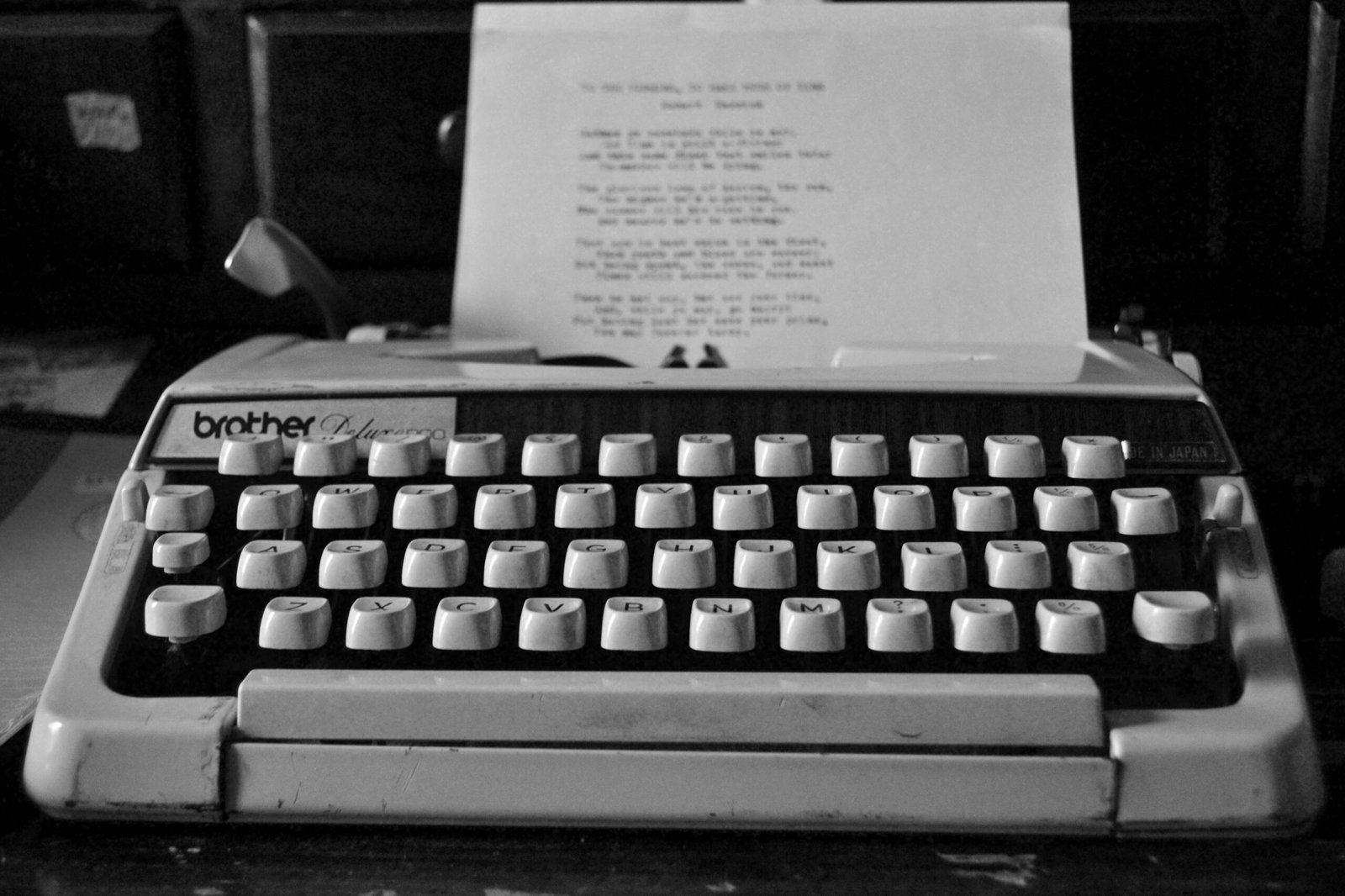
The industry standard to format a manuscript is usually Times New Roman font at a size 12, double spaced with a .05” indentation for the paragraphs, and a one inch margin all around. Also, there is only one space between sentences, not two, as many were taught long ago. Some companies post their specific requirements; others won’t mention anything at all. If you are in doubt, go with the standard. It’s safer that way. I know from personal experience as an editor for an online magazine on receiving submissions with crazy fonts and super narrow margins, and varied sentence spacing. I frown on this, and I’m sure Acquisition editors do, too. Deviating from their specifications could lead to an instant rejection.
Specific Requests
Some publishers want a full manuscript submitted. Some want a query only. Others want a synopsis and a proposal. Make sure you know exactly what is required of you, and send only that. A good help is making yourself a checklist. You work so hard to be considered; you don’t want to miss out on them looking at your manuscript just because you forgot to send something in.
Snail Mail and/or Electronic Submission
Yes, some companies still only want snail mail. But that is few and far between. Most will only accept an electronic submission, either by uploading into a formatted page, or sending an email with attachments. Follow this specifically. A manuscript will be returned if this request is not properly followed.
Simultaneous or Exclusive
Unless the publisher states they want an exclusive look at your manuscript, you are free to submit to other publishers at the same time. This is called a Simultaneous Submission. If you do want to send to others to increase your chances of publication, be courteous and let each publisher know.
Wait Time

The hardest thing when submitting your manuscript is waiting for some type of response. Some publishers will state they respond withing a certain time frame. Others will note they respond only when interested. If the latter is the case, I would give about six months for a waiting period before trying to send to someone else.
Following submission guidelines is crucial to the future of your manuscript. Make sure you pay special attention to each detail. You want your hard work of writing to pay off in the end.
Have you forgotten submission details?

Catherine L. Osornio has written inspirational articles for a women’s ministry newsletter, over 200 leveled reader stories for a school’s reading program, fiction and nonfiction articles for Clubhouse and Clubhouse Jr. magazines, The Declaration of Independence from A to Z, Thunder Comes a Rumblin’, Mosquitoes Infect!, Danger on Martin Mountain, plus various work-for-hire projects.A former elementary school librarian, Catherine is passionate about sharing the love of reading. She enjoys cartooning, illustration, and reading kids’ books. Email her at CLOsornio@verizon.net or visit her at www.catherineosornio.com.
Unsplash credits: Glenn Carstens-Peters, Victor Serban, jules a., and Shante P
Guidelines are super important! But if writers aren’t following blogs or attending conferences, they don’t know this. I’ve been attending conferences since 1997 and at almost every conference, submission guidelines are mentioned. Along with stories of submissions that didn’t follow them. Some are hilarious. Some are horrible. But all got rejected.
It’s really funny when I talk about this to non-writers. My friends who aren’t authors are always surprised when I say the least little thing can get you rejected. They have no idea that following guidelines and learning the craft is important. I even had one person sneer at the entire process in such a demeaning way that I un-friended him on FB. It’s a long story. But wow, people can be so mean hiding behind social media and not sitting with you personally.
Ah yes. The needle in the haystack and the waiting!! SO true!
Those guidelines are sooo important!! Thanks for this post explaining and highlighting these!
Guideline–for book publishers and magazines–are crtical. Follow every tiny detail! Jean