
How can critique groups inspire us as writers? Last year, Kathy O’Neill’s blog post shared the importance of critique groups through highlighting Bandersnatch: C.S. Lewis, J.R.R. Tolkien, and the Creative Collaboration of the Inklings. I absorbed her article, grabbed the book, and shortly thereafter, found myself in a second critique group. (My Write2Ignite critique group is virtual. I've also attended a local Word Weavers group since 2018.)

Diving into Bandersnatch
Sixteen-year-old Diana Pavlac Glyer, the author of Bandersnatch, wanted to know how critique groups like the Inklings impacted the writing of compelling books. She wondered:
- What did the writers in the Inklings talk about when they met to discuss their works in progress?
- What difference did these conversations make in the books?
Despite being told she would never find answers to these questions, she spent much of her life immersed in their family records, diaries, and personal letters. Bandersnatch shares what she discovered about the power of critique groups.
Here's one example of what Glyer found when she compared letters between Tolkien and Lewis in 1937. Lewis criticized Tolkien's work, saying he had too much dialogue, too much chatter, too much “silly Hobbit talk.” She laughed to read that Tolkien did not agree with his colleague’s comment.
However, after comparing original drafts of his stories with the published books, she realized Tolkien had indeed listened to Lewis. His final version limited the dialogue and Hobbit chatter and moved on into the action.
If The Hobbit emerged as a stronger piece because of Lewis' critique, think how our pieces could become better! After considering this concept, I remembered a presentation from the Florida Christian Writers Conference.
Agents Agree about the Power of Critique
Agent Steve Hutson spoke on “Twenty Reasons Why You Don’t Get Published.” One of his reasons writers stay unpublished was that some refused to learn from others.
“You’re not teachable,” Steve told the audience. “Your agent could help you fix some things. But when I give suggestions, people get offended. Consider any advice. Appreciate it.”
Appreciating advice, even listening to it, can be hard. Since writing is personal, it's painful hearing our pieces read aloud and listening to others critique words we've struggled to capture. Yet, writers’ groups have given me infinitely more than I ever would have accomplished on my own.
What Critique Groups Offer
Although each critique group works differently, they inspire us as we polish our work. In both my virtual and local group, I see God in the smiles of fellow writers, the prayers, and the inspirational pull of their stories. I hear ideas that make my writing craft better.
In some ways, we’re seeking the same things Glyer wondered about the Inklings.
- What do writers in our groups talk about when we meet to discuss our works in progress?
- What difference will these conversations make in our books?
Before Critique Begins
With those questions in mind, reflect on your piece and background information to share.
- Offer something regularly: your current writing, website content, podcast scripts, devotions. Become comfortable with sharing your work. Often.
- Give your reviewers some context. Is this your first draft—and you'd like suggestions? Or is this your last step before querying? If it's a portion from a longer draft, provide explanatory background. Reviewers might frame their feedback differently.
- Perhaps pose questions:
- How effective is my plot?
- Which characters seem real? Too perfect?
- Have you figured out my character’s problem?
During Zoom Critiques
- If someone reads your piece aloud, make notes where they stumble. Because you've heard your writing through your perspective and voice, others' intonations and missteps will show you where to edit.
- Jot big ideas from reviewers’ statements. Capture as many comments and suggestions as possible. Draw:
- Question marks where they’re confused.
- Hearts of things they like.
- Smiles where they laugh. (Reviewing these notes later helps identify places of strength as well as places to consider editing.)
- When being critiqued, it’s easy to forget the positives and focus on negatives. Therefore, make yourself write positive comments, too. Having those affirmations shows you the values others see in the piece.
Emailed Critiques
Mull over the written feedback. Compare different reviewers’ remarks. Are several reviewers making similar suggestions or questions? Take time to reread. Reach out to them if you need clarity.
What About Us?
Critique groups like the Inklings changed the work of J.R.R. Tolkien and C.S. Lewis. Their collaborations can inspire our work, too, before we offer it to the world as a more well-crafted book.
What are your experiences with writing critique groups? What critique tips have helped you?
Now is the perfect time to sign up for Write2Ignite’s next Master class, “Writing Christian MG & YA Fantasy.” After attending a Master Class, Write2Ignite is proud to offer you the opportunity of joining a Write2Ignite virtual critique group.
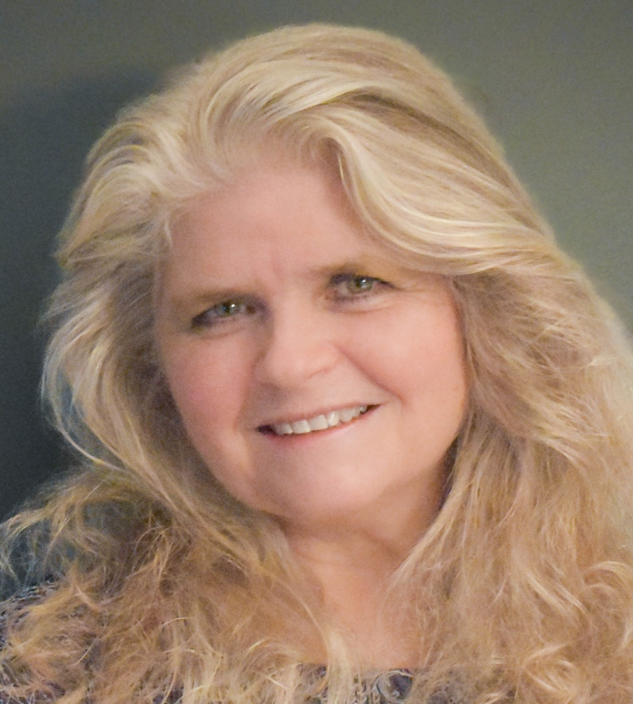
Jennifer Mills Barnes invested her life in children, teaching mostly kindergartners and first graders for three decades. She was blessed to coach 41 student-teachers and welcomed over 2000 visitors into her inquiry-based classroom. Jennifer had the privilege of speaking at more than 20 conferences and served as an adjunct professor for two semesters at the University of South Carolina. She garnered national and state awards while maintaining National Board certification. But Jennifer’s passion was authentically teaching little kids.
These days, she feels called to write stories for children. As a retired teacher, she also captures her most powerful teaching moments to share with a new generation of children through helping their parents, grandparents, and teachers. The rest of the time, you can find her road-tripping with her husband, delighting in her garden, or hanging with her adult children and grandson, Tucker. Connect with her on Pinterest, Twitter, or her website, jennifermbarnes.com. Plus, check out the podcast “KidTalk” that was created with her first graders.
Hi Jennifer! I’m so glad you enjoyed Bandersnatch! It’s full of good lessons for critique groups. You did a great job with reasons to join a critique group!
Thanks so much, Kathy, for the recommendation. I found it an incredible read – and love how it made me think differently about critiques. Seeing the difference it made in Lewis and Tolkien’s work was amazing! Thank you for reading and commenting. God truly blessed me in my critique group. 🙂