
I have this on the author page of my website:
“Children are a tough audience. You can fool an adult with persiflage or purple prose, but a kid can tell if you’re faking immediately.”
Theodore Geisel (Dr. Seuss)
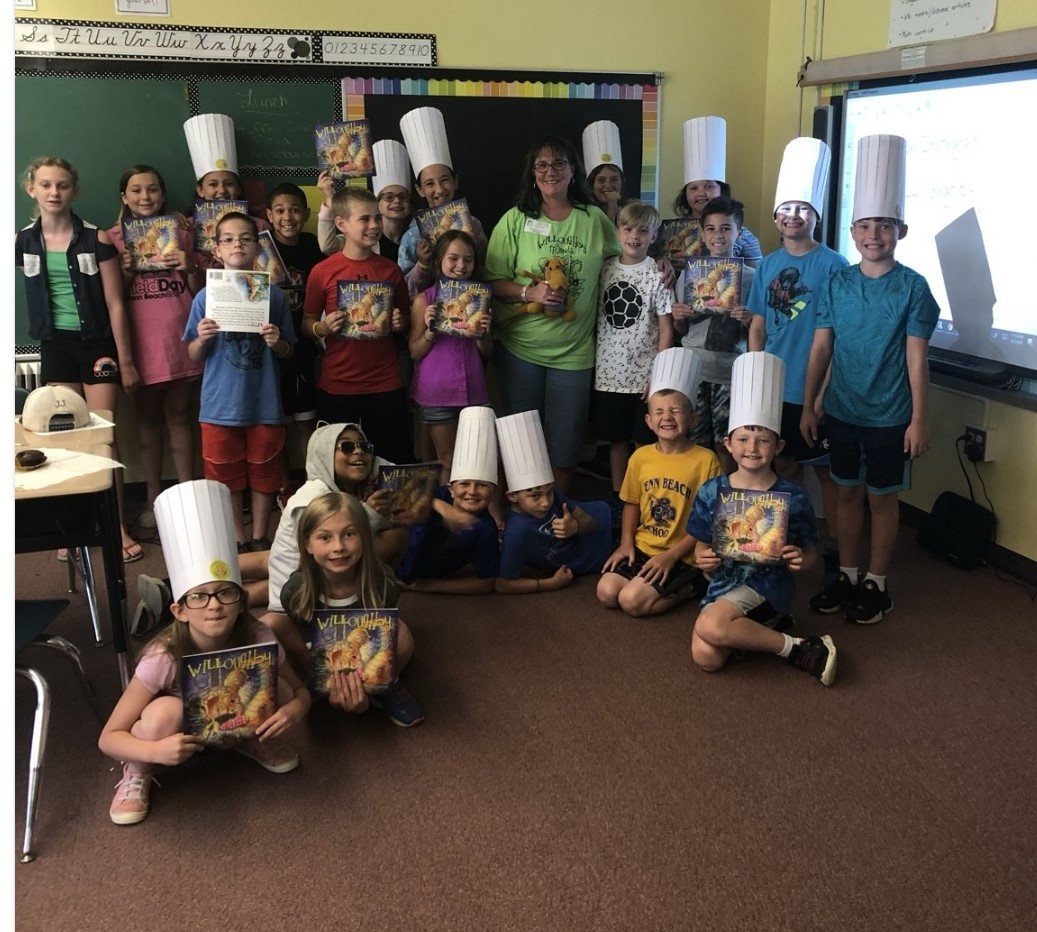
As a children’s author, I work to write stories that inspire and entertain because I believe a good story can teach great truths. I like to think I'm a missionary of the written word, knowing my books go places I can’t and will live on long after I’m gone.
Like Dr. Seuss, I want to be real with children whether I’m writing stories or teaching workshops. I don’t think God would have it any other way.
What Does It Mean?
What IS purple prose? According to a blog post on Reedsy, purple prose is a style of writing with overly flowery language that draws attention to itself and away from the story. And Merriam-Webster says persiflage is frivolous bantering talk or light raillery.
UGH. That’s not what I want in a story. I know kids don’t want it.
What Do Kids Want?
Kids want what adults want: a great story with characters they care about. Kids want to laugh, be scared, learn cool things, solve a mystery, escape from the world, and more. Sounds easy, huh?
It’s not. But we can do it!

Kids Want to Laugh
What makes kids laugh? Not every kid will find the same things funny, but there are some universal things. Let’s list a few things that make kids laugh:
- Underwear: Underwear is one of the most universally funny words. Just saying it makes kids giggle. Put it in a story and it can be downright hilarious. Captain Underpants, anyone? Or one of my faves, Creepy Pair of Underwear.
- Body sounds: I may as well say it: farts and burps. Even my special needs adult daughter giggles at these sounds, and she doesn’t even know what they are. Some sounds are just funny. How can we use this in a story?
- Butts: Oh yeah, butts are super funny. I read a book at Storytime last month called Butt or Face, and it was a terrific hit. It’s super creative, filled with pictures that kids had to guess if they were a butt or a face. Lots of interesting info, too.
Doing these things will not “dumb things down” even though it might feel that way. Doing these things will show you know how to get a kid’s interest so they pay attention to the story. Maybe ask for it to be read again.
And again.
And again.
Kids Want a Safe Scare
Picture book kids are typically 4-8, so when we write scary, we need to keep that in mind. And if we are going to make a story scary, we need to resolve it so our young readers feel safe again. But there’s something intriguing about being scared when we know we’re totally safe. Even kids know this.
So, what scares kids?
- Losing a favorite toy.
- Losing a parent.
- Losing a pet.
- Being bullied.
- The dark and all that includes, like shadows and sounds.
Remember, our picture book audience is young. Even though picture books are marketed for ages 4-8, most picture book readers are on the younger side. So, if there’s a big loss in the story, it needs to be handled gently.
The first story I ever wrote got picked up by Concordia in 1998. They actually picked up two stories in the series, but the story I wrote first was Beatrice Loses Her Doll. Beatrice looked and looked but couldn’t find Dolly. At the lowest moment, when Beatrice thinks she’ll never see Dolly again, she finds her mommy had washed and dried her. So, she celebrates with Dolly and other stuffed animals at a tea party. I used the shepherd and the lost sheep parable.
Now, A Question for You: Did You Do Your Homework?
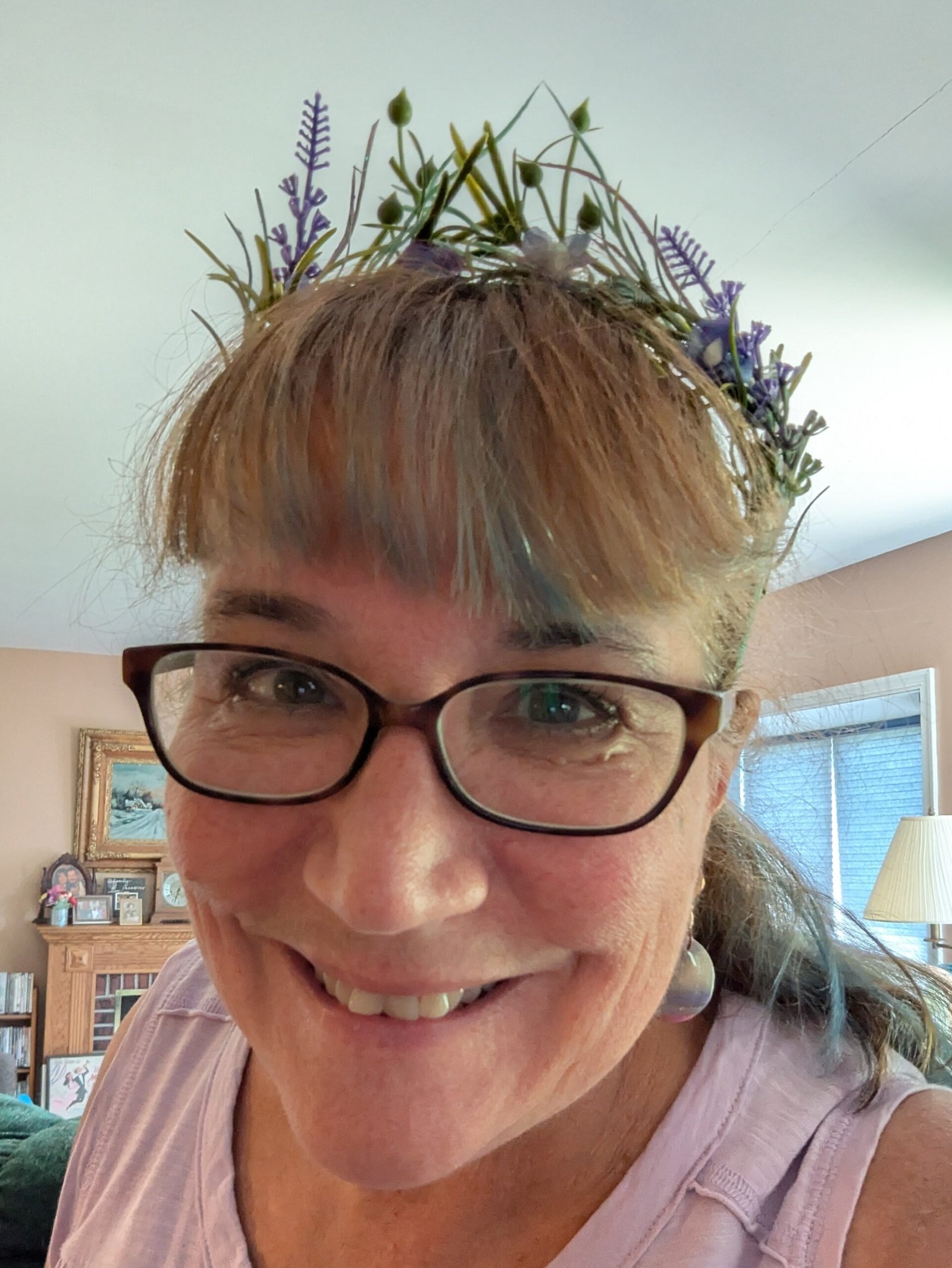
Did anyone do any of the things (or something on your own) that I suggested in my last blog post about writing for kids? I did! I wore my Fairy Headband to a pitch appointment at Realm Makers. And not just any pitch … a pitch to an editor from Random House! EEK! She didn’t say anything about it, but I have a feeling she wanted one herself.
Keep in mind that you don’t have to include all these things in your story. It really depends on the story. These things are pretty much universal. You put in what your story requires.
And this bears repeating: HAVE FUN. If you’re not having fun writing the story, kids will not have fun reading or listening to it.
Stay tuned to learn more!
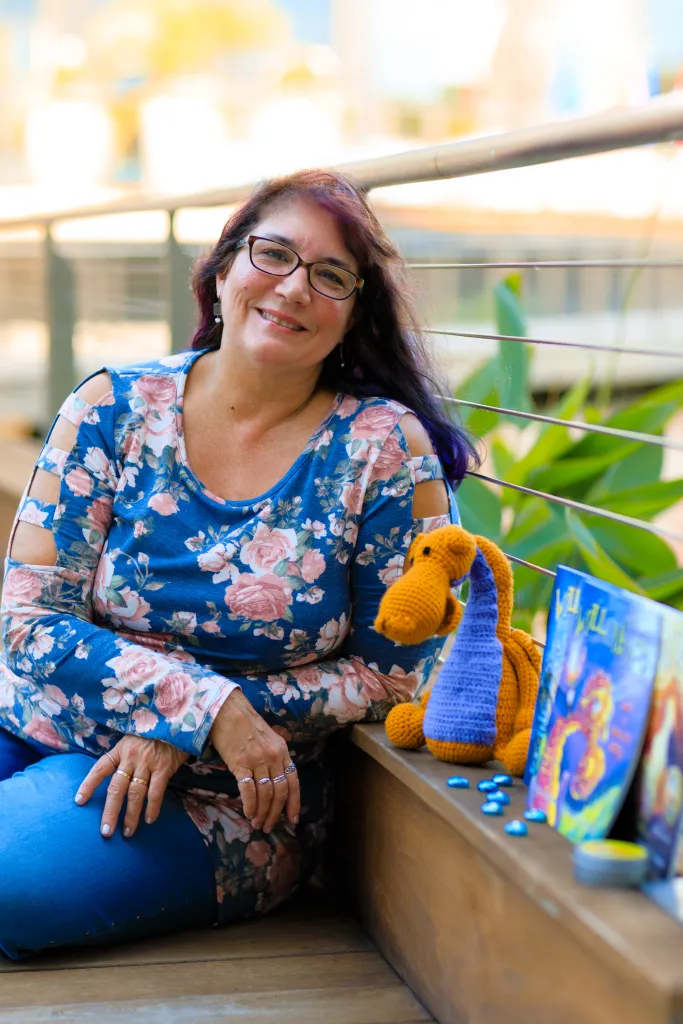
Pam Halter is a former home-schooling mom, has been a children’s book author since 1995, a freelance children’s book editor since 2006, and was the children’s book editor for Fruitbearer Publishing until January 2023. She’s the author of Fairyeater, a YA fantasy, and the Willoughby and Friends picture book series (available on her website.) Pam has also published short stories in Ye Olde Dragon Books , the Whitstead Anthologies and Renewed Christmas Blessings. Her first short story won Readers Choice in Realmscapes.
Pam lives in Southern New Jersey with her husband, Daryl, special needs adult daughter, Anna, and four cats. When she’s not writing, Pam enjoys spending time with her grands, reading, quilting, gardening, cooking, playing the piano, Bible study, and walking long country roads where she discovers fairy homes, emerging dragons, and trees eating wood gnomes.
Great info! Thanks!
Lots of good ideas to keep in mind as I write for children — I’ve published 2 books. Kids like them — have 3 more manuscripts ready — hopefully will get them published also. 😊. Thanks for sharing this.
So true! If we’re not having fun writing a story, kids won’t enjoy it either!