
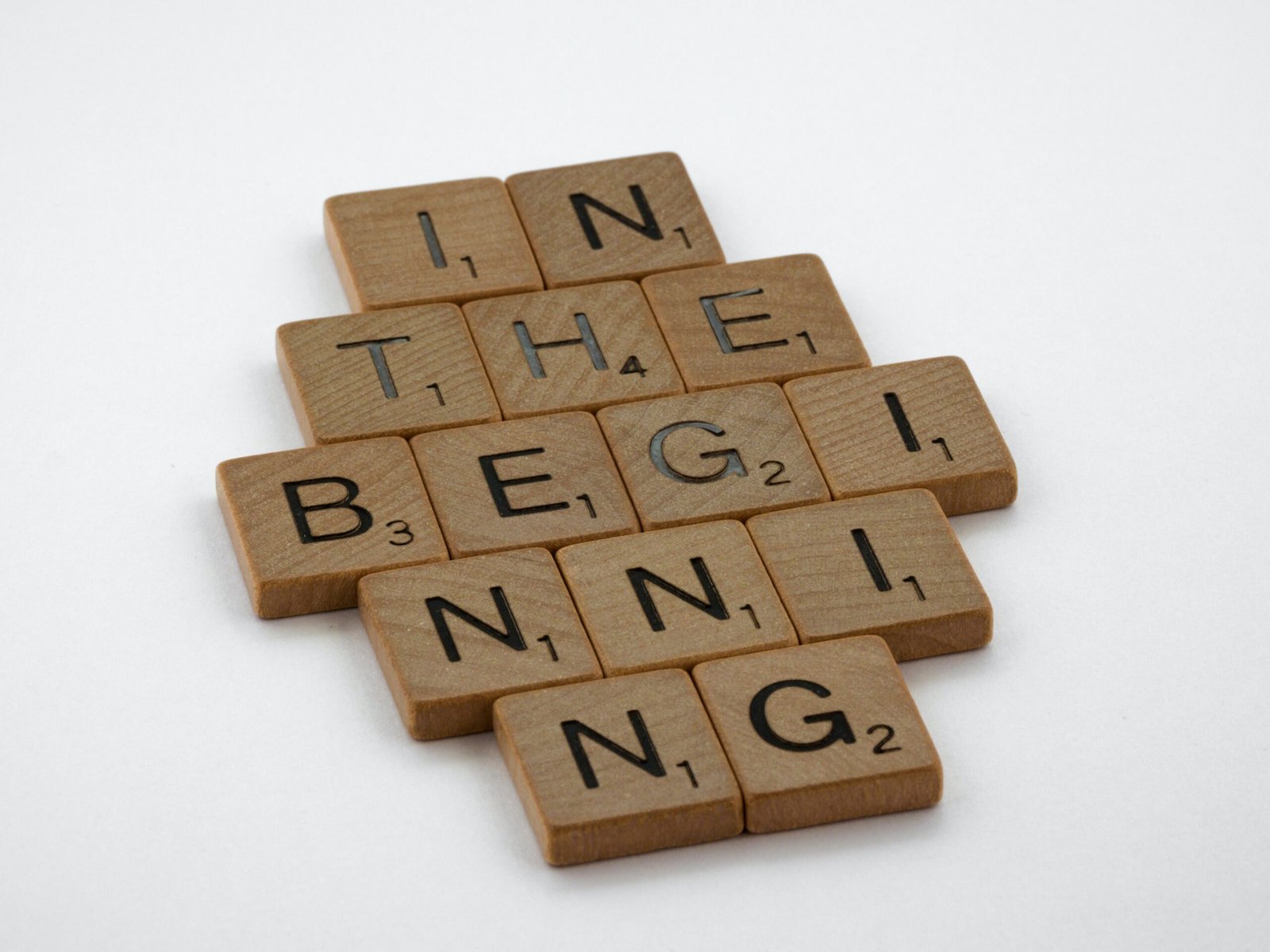
God created the world in six days. Each day was a step-by-step building up of an environment that would be suitable for humans.
As writers, we are creators, too. We create whole worlds out of the imaginations and experiences in our heads. Let’s look at how the days of Creation can inspire our writing.
Day One: Light

God created light on the first day. We don’t know what this light was since the sun, moon, and stars weren’t yet created, but it was an illumination of some sort that separated the light from the darkness. This light can be like a lightbulb in our heads that gives us the inkling of a story idea. Although we may not be able to distinguish much, the fact that there is a hint of something out there is a great starting point.
Day Two: Atmosphere
On the second day God separated the atmosphere from the rest of the world. This can be like a writer beginning to develop the story idea, moving the intangible into the tangible. Rough outlines can be thought about at this stage.
Day Three: Land and Seas
On this day the world was separated into dry land and seas. Hills, valleys, mountains, and plains would have been made. At God’s command, the land produced plant life, each with its own unique characteristics. Our idea needs to move from a general idea into a more specific storyline. We need to think about the uniqueness of our characters, what environment we will be putting them into, and what conflicts they will experience to move the story along.
Day Four: Sun, Moon, and Stars
Isn’t it interesting that God created plants before He created the sun? And not only did the sun light the day, but God made the moon and stars to light the night, and the stars to be used for directions. Light brings depth, because as it shines, it reveals more of the object receiving the light. When we delve into the development of our story, we need to add depth to our characters, creating personalities, physical characteristics, and experiences that will ultimately affect how they interact within our story arc.
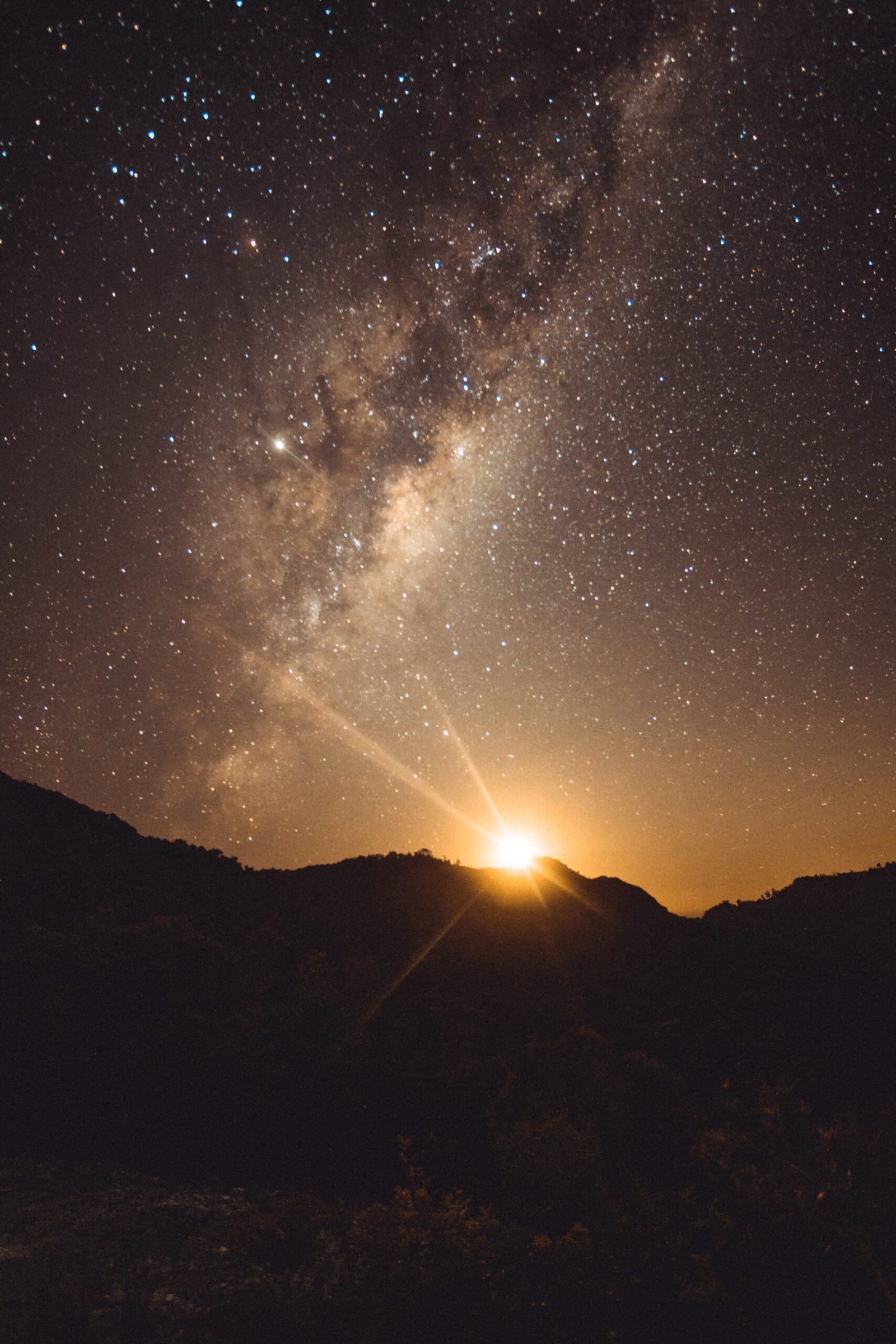
The creation of the sun, moon, and stars also sets limits on time. Each rotation gives us a day, days, and years. Time is essential in any story. Are we dealing with the present, past, or future, or a combination? Are we limited to a twenty-four hour period or centuries? Time greatly affects the progression of our characters.
Day Five: Fish, Sea Creatures, and Birds
The waters teemed with life and birds flew through the air on the fifth day. Consider this as a backdrop for a story. Have you listened to the birds singing in the trees, or walked by a still lake in the early morning only to have that stillness interrupted by a fish plopping up to snag an insect? There is life all around us that we often ignore. But these backdrops could enhance our story by bringing realism into the picture. Try not to discount these elements, which could even provide a plot twist to move your story along.
Day Six: Part I - Land Animals and Creepy Crawlies
Animals and bugs and things were created on the first part of this day. Animals can be a blessing or a curse. Some can be domesticated and be a blessing; but they can also be a curse when their natural instincts kick in and they lack regard for human life. Bugs and insects can act this way, too, mainly unbeknownst to themselves. Helpful insects like the butterfly or bee can pollinate plants, which helps to grow food. But insects like the hornet or mosquito can cause injury or bring about disease.
Consider these like your secondary characters. You need something other than your main character(s) to bring conflict to keep things interesting, and/or to provide support for a character in need of help.
Day Six: Part II - Humans
God created Adam and Eve later that day. At this stage, our characters need to be fully developed. We need to know what their likes and dislikes are, what motivates or discourages them, what weaknesses they have, and what are their strengths. God set Adam and Eve in the midst of the garden. We need to set our characters in the midst of our created world. They need to be able to interact within the confines of their setting and be carried about by the conflicts they encounter.

Although we aren’t God, we still have creative control on how our story forms and develops. By considering the elements of Creation as we write, we can hone our story into something where we can eventually call it “very good.”
What inspires your writing process?
Unsplash photo credits in order: Brett Jordan, Alessandro Bianchi, David Billings, and Hannah Olinger.

Catherine L. Osornio has written inspirational articles for a women’s ministry newsletter, over 200 leveled reader stories for a school’s reading program, fiction and nonfiction articles for Clubhouse and Clubhouse Jr. magazines, The Declaration of Independence from A to Z, Thunder Comes a Rumblin’, plus various work-for-hire projects. A former elementary school librarian, Catherine is passionate about sharing the love of reading. She enjoys cartooning, illustration, and reading kids’ books. Email her at CLOsornio@verizon.net or visit her at www.catherineosornio.com.
I LOVE this connection to Creation. After all, God is the MASTER Creator. Thanks for this post.
what a creative way to connect our writing process to God’s creating the world and all it contains! I hope you have a blessed Christmas with your family, Catherine!