
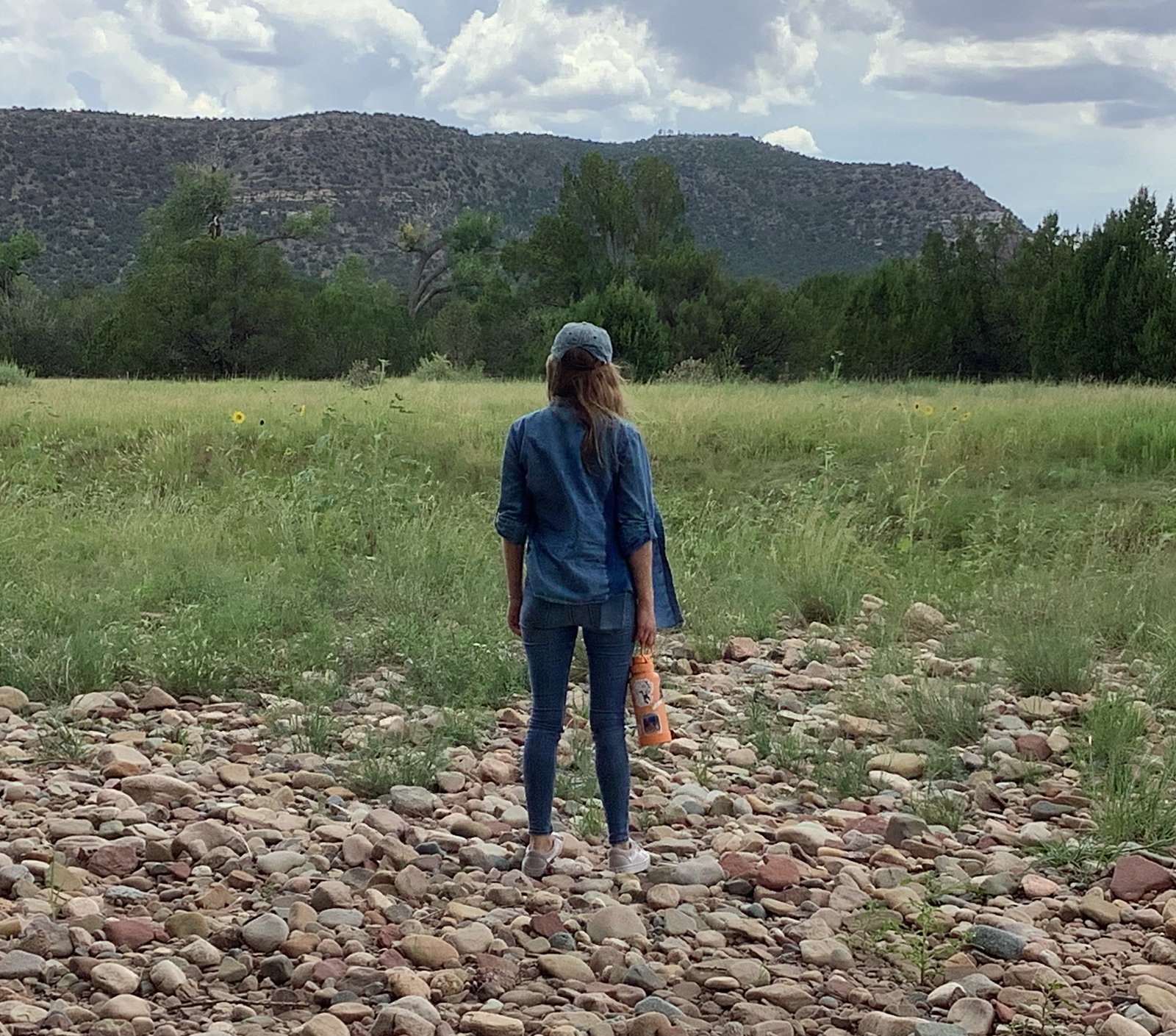
This past July I took a trip with my husband, our two daughters, and my mother to visit family in New Mexico. The drive was long (about 16 hours, including getting a nail out of our tire), but it was worth it to see relatives (on my mother’s side) who we haven’t seen in a while. But there was one significant thing I got from this trip. I realized there was something I needed to let go. Sometimes in our writing, there are things we need to let go, too. Story ideas that we’ve tried to flesh out just aren’t going anywhere. So how do we know it’s time to let go? And how do we handle its departure?
Look at the Evidence
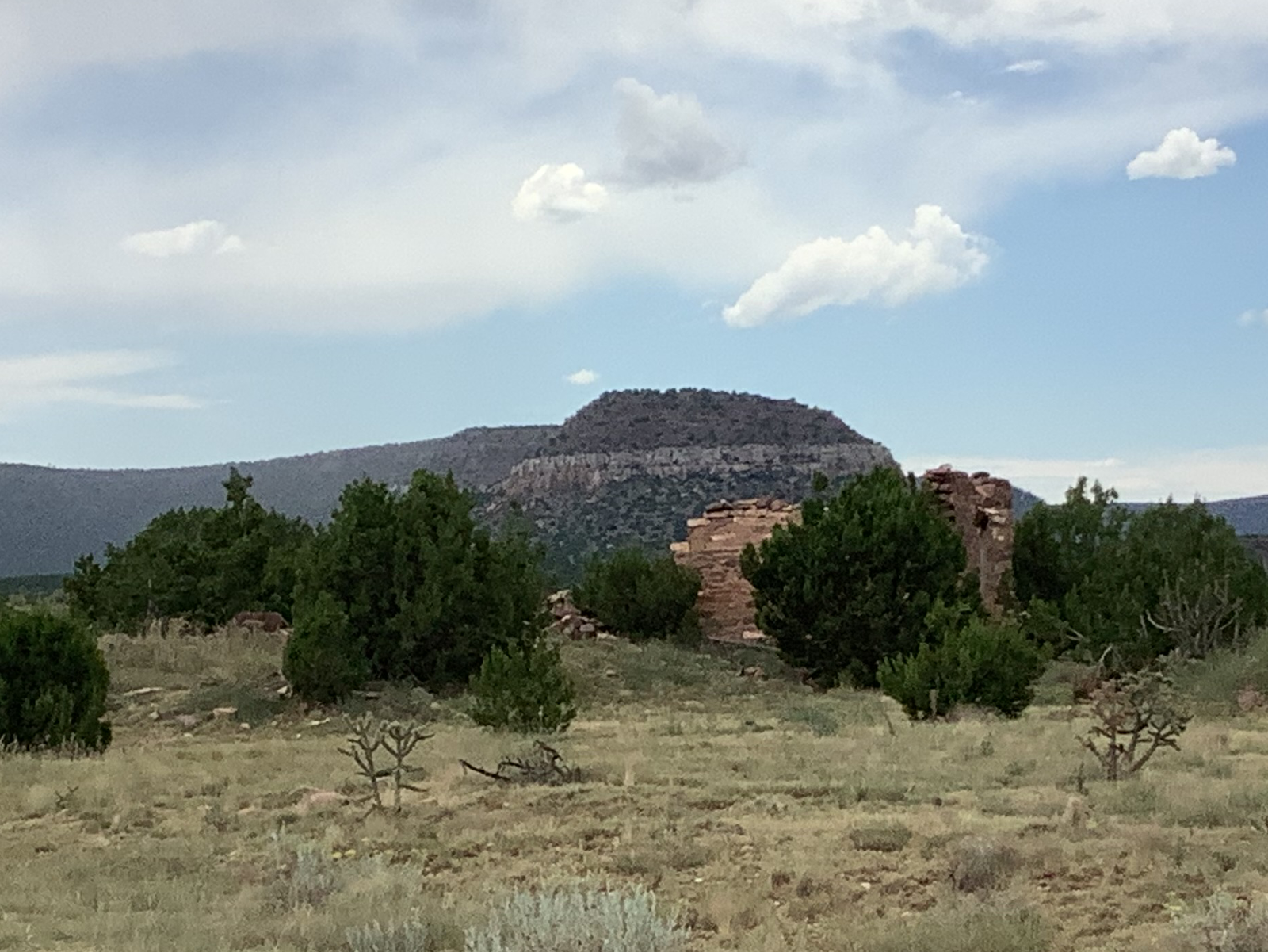
My mother’s family has lived in New Mexico since the late 1600s. Her ancestors journeyed with the early Spanish explorers who came up from Mexico and settled into various areas of central and northern New Mexico. Growing up I heard the stories of the little town where my great grandmother grew up. Although not close to where some of my relatives currently live, we were able to visit that little village on occasion. The town had been abandoned for many years, but on my first visit some buildings were still there, including the mercantile and home that my great grandmother’s parents owned. My grandmother was with us at that time, and she was able to point out things that she remembered of the area. The town was just a shell of the past, but it was still visible for a person to see.
Our stories can be just a shell. There is no true substance. What gave the story idea life initially, just isn’t there anymore or maybe wasn’t even there in the first place. When this happens, set the story aside for a bit and pray to see if it’s worth reviving.
Be Honest in Your Analysis
On my second visit to the little village years later, I was informed that a relative had torn down a few of the buildings to discourage squatters from living in some of the empty residences. Now instead of structures one could identify, there were only parts of the buildings: partial inner walls and hallways, a wall with a window, the outline of a foundation.
When we’ve given our story time to sit, we can tell if it’s time to let go when there is no longer anything there to hold it together. The spark that set your idea to flame has died out. No new ideas on how to revive it exist.
Be Grateful in Your Goodbyes
On this most recent visit to the village, the area was almost unrecognizable. Only one building was partially standing. Everything else had been bulldozed down and the grasses and cacti had taken over. In addition to that, some of the area had been purchased by a ranching company, so No Trespassing signs were evident in places we once were able to walk through. As we had done on past visits, we had a quick picnic by the river that runs just west of the town. It was a nice time enjoying the cool weather, listening to the birds, and hearing my uncle sing some praise songs on his guitar.
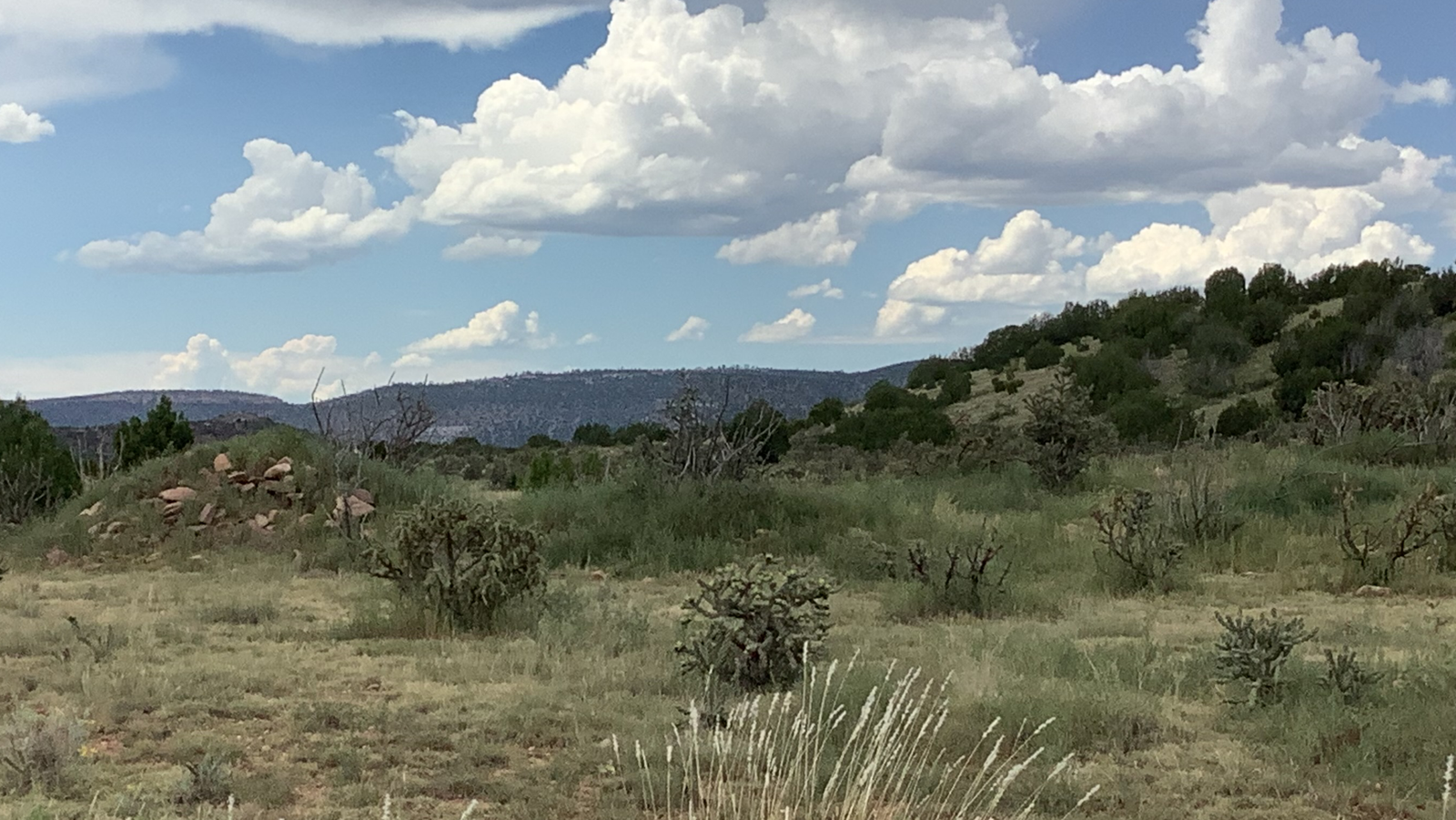
But there was a little sadness, too. I realized that this was the last time I would journey here. With nothing left to see, and with too many unforeseen obstacles to get access to the property, there was no reason to come back. As a lover of history, it was hard to come to that recognition of needing to let go. But as a realist, I need to be grateful for what I was able to see and experience on my visits there.
When there is no longer life in our ideas, when we can’t build on anything else, it’s time to call it quits and let it go. And that can actually be a good thing. We need to move on and seek other ideas that will produce and that will last, instead of hanging on to something that is just taking up space and wasting energy. We need to be grateful that we had something at one time to work on. Now we just need to look ahead for God’s inspiration and for His open doors to something even better.
How have you handled letting go of a story?

Catherine L. Osornio has written inspirational articles for a women’s ministry newsletter, over 200 leveled reader stories for a school’s reading program, fiction and nonfiction articles for Clubhouse and Clubhouse Jr. magazines, The Declaration of Independence from A to Z, Thunder Comes a Rumblin’, Mosquitoes Infect!, plus various work-for-hire projects. A former elementary school librarian, Catherine is passionate about sharing the love of reading. She enjoys cartooning, illustration, and reading kids’ books. Email her at CLOsornio@verizon.net or visit her at www.catherineosornio.com.
It IS hard to give up a story. I’ve had to do that more than once. The first one was hardest, but I realized what I learned from writing it (my practice novel – we have all one, they say) is where my strength was. The next novel – YA this time – got picked up by a small traditional house.
I think when we know God doesn’t waste anything, it’s easier to let go.