
Elements of Parable Writing
Whenever I come up with an idea, I immediately start planning my next novel. With my latest project however, I have learned to practice the art of shorter stories, or in my case, parables. A parable is “a simple story used to illustrate a moral or religious lesson.” As you know, the Bible is full […]
Writing Resources: Before and After the Book Deal by Karley Conklin
“Remember that ‘author’ is always a temporary job description . . . Your permanent job description is ‘writer’ and that’s what you are even when no one else is looking.” —Author Kristoper Jansma (quoted in Before and After the Book Deal, pp. 333) Today’s publishing world offers a plethora of writing resources. A simple search […]
5 Tips for Using and Understanding Literal and Figurative Language Part II by Deborah DeCiantis
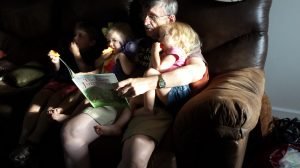
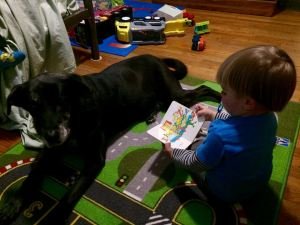
TIP #2 Don’t interpret literally what is supposed to be understood metaphorically. Taking figurative language literally is a problem that leads to misunderstanding and misinterpretation. Does the photo above depict sunshine or shadow? A literal book title based on this image might be Sunshine on the Pages or Shadows on the Pages [When Grandpa Reads]. A nonfiction […]
Reading With My Mom by Emily Babbitt

I’ve been working from home for 21 weeks. This prolonged period of isolation has given me time to reflect on happier times in life: adventures and excitement in college, friendships forged in high school, and time spent reading with my mom as a child. Those were the good days — Mom reading to me and […]
3 Tips from “Self-Editing for Fiction Writers” by Karley Conklin

“The secret to editing your work is simple: you need to become its reader instead of its writer.”–Zadie Smith Write2Ignite’s 2020 Master class with Joyce Moyer Hostetter is only a month away. The Write2Ignite team has suggested checking out several chapters of Self-Editing for Fiction Writers by Renni Browne and Dave King as a way […]
9 Tips for Writing Unforgettable Characters by Deborah DeCiantis
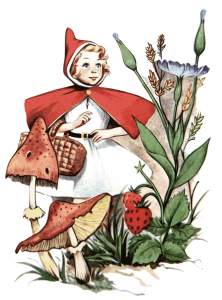
According to Elaine Marie Alphin (Creating Characters Kids Will Love p. 2) “Kids read because a magical closeness springs up between them and the characters in books and stories—the same magical closeness I felt as a child. They read because a writer has brought a character to life on the page for them.” Every great […]
5 Tips for Using and Understanding Literal and Figurative Language Part I
Tip #1: Use clear definitions and illustrations to distinguish literal from metaphorical. For writers and readers alike, understanding the terms literal and figurative (metaphorical) is essential: what do they actually mean? And how can we distinguish the way language is being used, whether in conversation, on social media, in literature, in advertisements, in business documents, […]
3 Editing Tips from a Woodcarver by Karley Conklin

“When you write a book, you spend day after day scanning and identifying the trees. When you’re done, you have to step back and look at the forest.” -Stephen King, On Writing: A Memoir of the Craft You’ve probably never thought to ask for editing tips from a woodcarver. I normally wouldn’t, either. Yet this […]
Inspired by History by Jarm Del Boccio
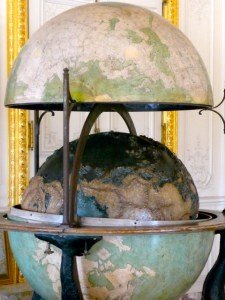
Paris is one of my favorite cities. Its history and ambiance intrigue me. There is something about strolling down the streets of Paris, crossing the bridges, or walking along the Seine, even in the rain, that can’t be experienced anywhere else in the world. It has a certain “Je ne sais pas” (I don’t know […]
12 Questions – Are You Ready for an Agent?

This information is for writers of fiction seeking an agent. If you hope to have your book published by a traditional publishing house (Christian or general market) you will very possibly need an agent. Have you been thinking about searching for one? The task is daunting. Before you begin you need to figure out whether […]