I think facts are fun, so I write to celebrate curiosity.
As writers, we have a unique opportunity. Our words inspire readers to appreciate the world. Our articles, stories, and books help others understand people of today and from the past. Our writing helps readers to see the world and others in a new way.
Our readers expect us to be an authority on the topics we explore in our writing. We need to know more than our readers. And if you write nonfiction, every single word must be true.
Nonfiction writers share truth—just truth—with readers. You don’t have to be a trained theologian, historian, or scientist to write nonfiction. But you must do your research.
My published 11 books (and contracts for three more with general and Christian publishers) are packed full of facts. But I’m not a historian or scientist. So how is it that I write nonfiction for children? I research. And you can, too. Here are 5 tips for research when you are not an expert.
1. Gather baseline knowledge.
You can gather baseline knowledge do this through websites that you wouldn’t consider as a resource. You might find blog posts like “10 Cool Frogs” or “What Your Teacher Didn’t Tell You About the Revolutionary War.” Read them. Watch videos. Listen to podcasts. Read books. Enjoy the time to gather ideas of what you might research next.
2. Take notes.
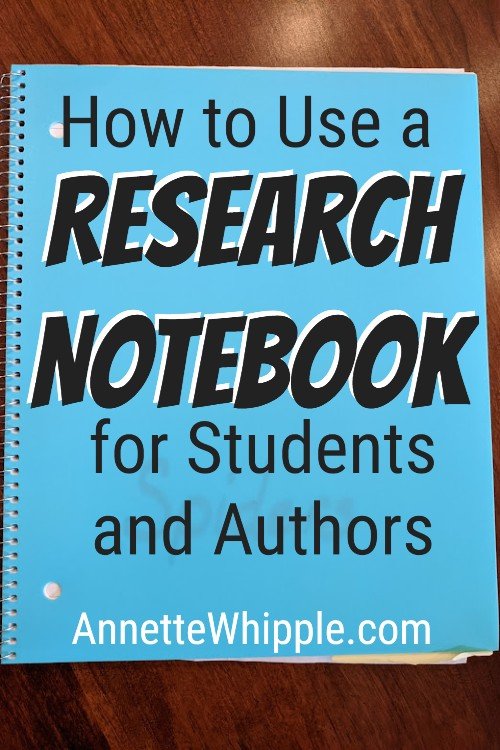
Once you gather solid resources, it’s time to take notes. Not sure if a book or website is a good option? Take the stinky CARP test. I suggest you take notes by hand as much as possible. You can also take advantage of digital organizers like Scrivener (also used for writing), One Note, Evernote, Zotero, and more. Take a look at my research notebook here.
3. Keep track of sources.
Keep an ongoing bibliography of every single document, book, email, interview, video, and museum you use as a resource. And make sure you note details in your footnotes about where (page number and such) in the source you found the fact. Free, online bibliography generators make this easy (in addition to some of the resources listed above). EasyBib.com is just one option.
4. Consult with an expert.
You may not be an expert, but you want to be quite knowledgeable before meeting with one so you don’t waste their time. You might email the expert with a list of five questions you’d like to ask. If you can meet your expert, that will be the perfect time to get hands-on.
5. Get hands-on.
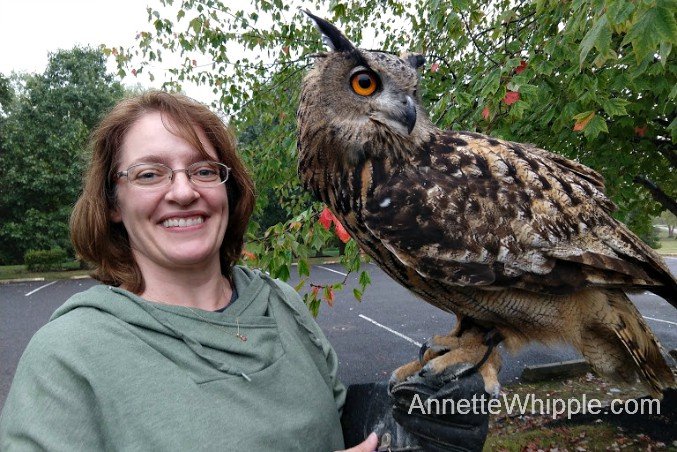
If you weren’t able to get hands-on with your topic yet, now is a great time. If you’re writing a magazine article on recycling, make an appointment to visit a waste treatment facility. Writing 5 tips to start a garden? Then it’s time to meet up with a gardener (or several) and maybe a gardening store.
During my research for The Laura Ingalls Wilder Companion, I contacted the museum in advance and scheduled a time for a personal tour. My research trip to the Almanzo Wilder Farm was amazing. Though personal tours and consultations are not always possible, they make the research even richer. And that makes your writing more detailed!
Are you ready?
Research is an investment. It takes your time and energy.
For many of us, our goal in writing for all audiences (both Christian and general) and about all topics (both fiction and nonfiction) is to glorify God. Then the work we put into the writing is worth it (even if it is never published).
Research is just one part of the writing process for nonfiction writers. If your research bores you, that boredom will likely find its way into your writing. But if research rabbit trails and finding “wow” facts fascinate you, nonfiction writing may be perfect for you.
I’m thrilled to teach Write2Ignite’s upcoming masterclass on nonfiction. We’ll cover writing nonfiction for kids and teens, research, and writing for the educational market. I hope to see you there!
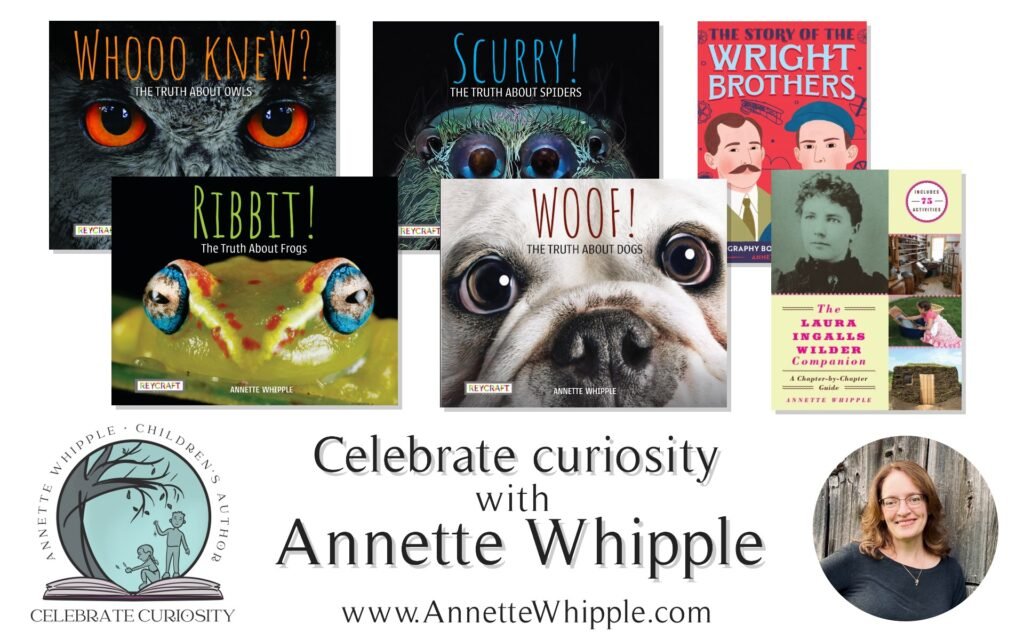
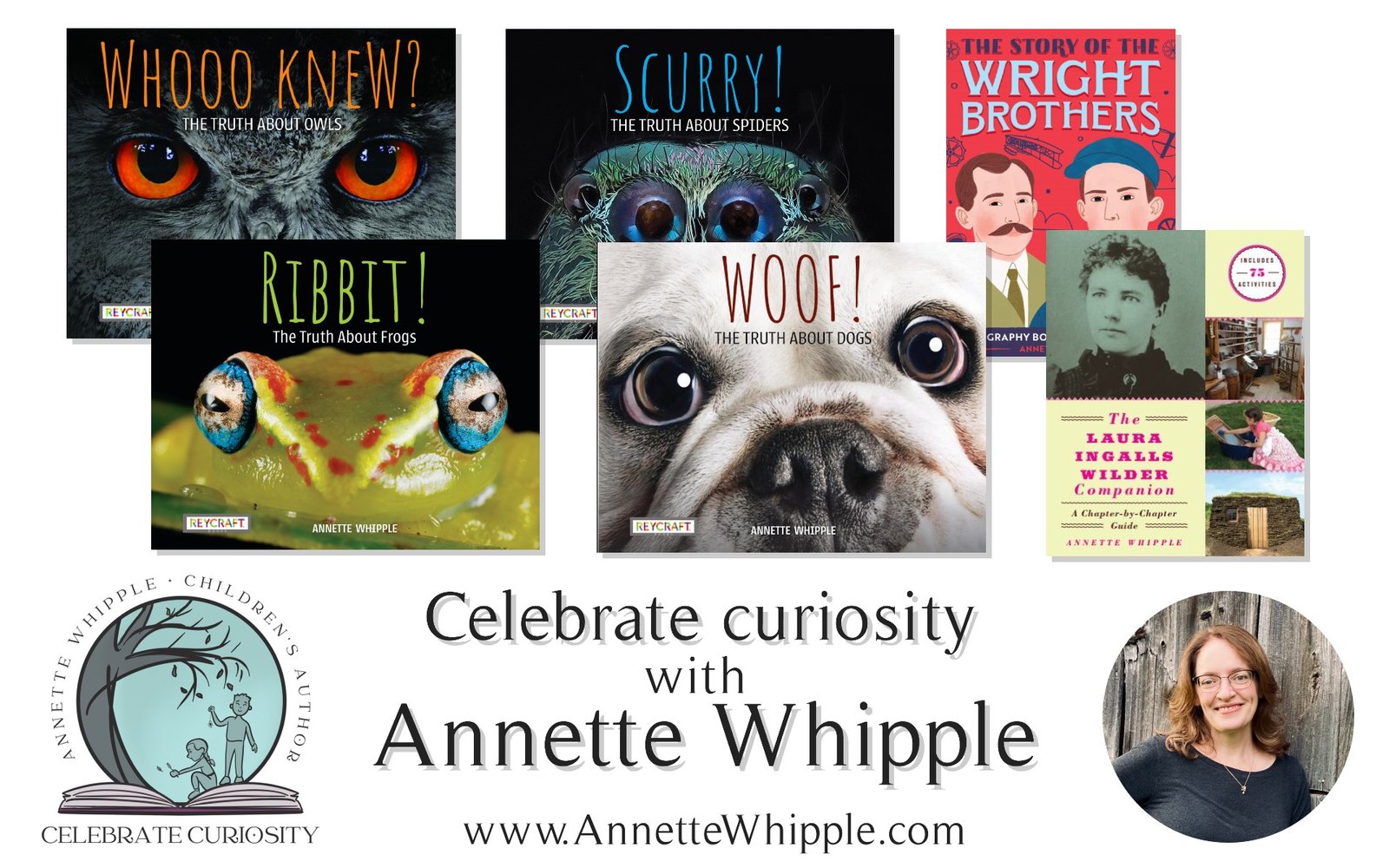
Check out a few of Annette’s books.
The Laura Ingalls Wilder Companion: A Chapter-by-Chapter Guide https://amzn.to/3ItElva
Whooo Knew? The Truth About Owls https://amzn.to/3au2Trd
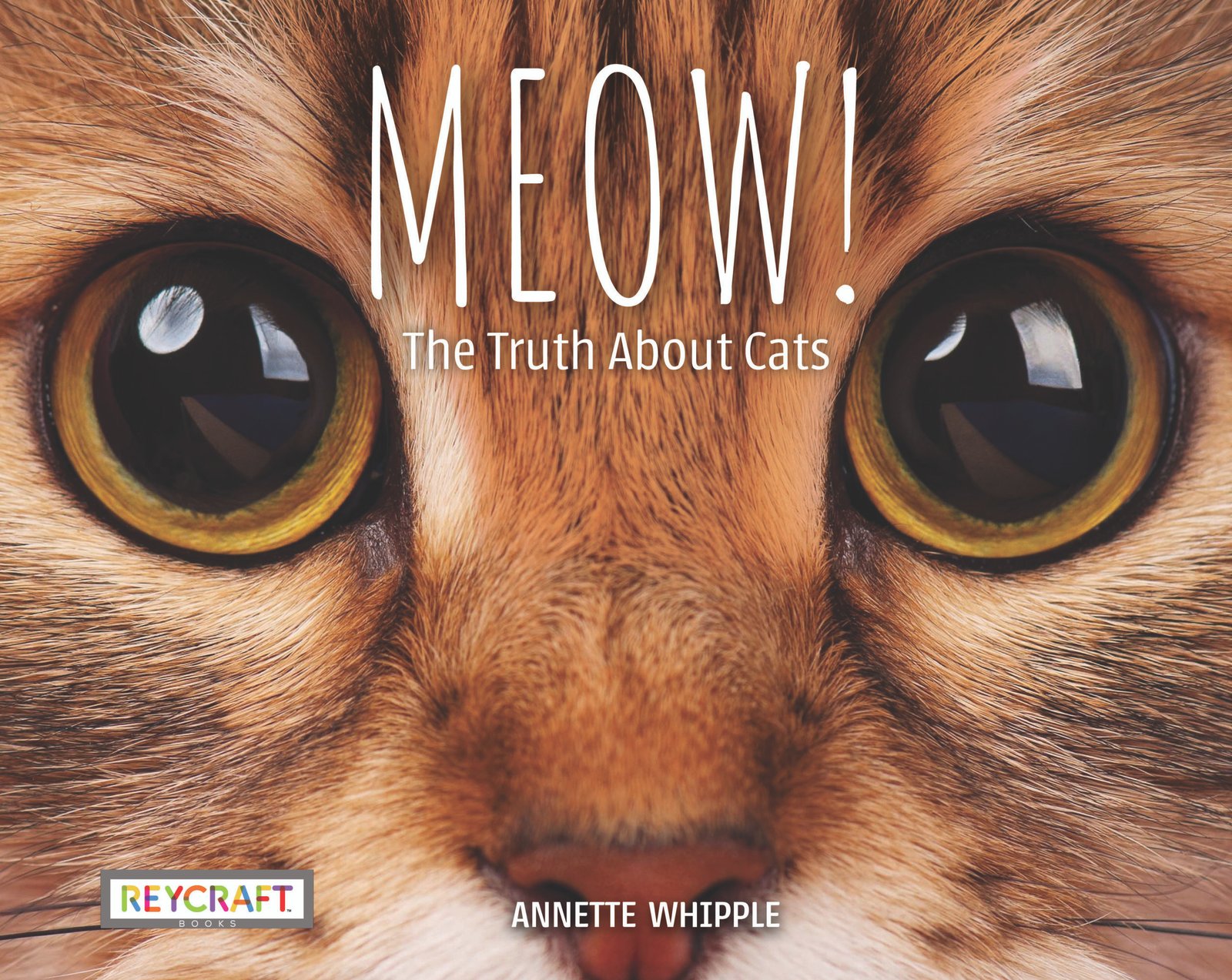
Meow! The Truth About Cats is now available for pre-order. https://amzn.to/3atJDtR
Wild Wonders: Animal Devotions for Kids (Tyndale, 2024)
22 Responses
Thanks for those excellent tips, Annette. (I’m going to print out the stinky CARP rules and keep them by my computer! Always a good idea to remind myself of them before starting a new project!)
Thanks for your comment, Sara. I’m happy to enter your name in the giveaway!
Thanks, Sara, for interacting with our blog.
Very informative blog post and the conference sounds like something that all writers can use.Thanks, Annette!
Thanks, Cathy. I’ll enter your name in the giveaway! Carol
I love the details in this post. Time for me to use some of those spiral bound notebooks I buy every August when it’s back-to-school-sale time! LOL! Jean Hall
These are great tips on how to do research, Annette! I love your Who Knew series that glorifies God with the wonders of His creatures! I look forward to your Master Class.
Thanks for leaving a comment, Kathy. Yes, I think her class will be great!
I just started researching for a nonfiction picture book idea, and was so excited to come across these tips!
Galiah, Thanks for commenting on the blog post. I’ll add your name to the email and I hope you consider attending the class! Carol
I’m really looking forward to the Master Class this year! Thank you, Annette.
Thanks, Trine. And we look forward to having you! Your name goes in the giveaway. Carol
Such great tips, Annette! Your master class sounds so important for us as children’s writers! Can’t wait!!!!
Thank you for a informative post.
Thanks for commenting, Anita. You’re in the giveaway!
Thanks for the awesome tips, Annette. I’m looking forward to joining your master class.
Thanks, Rona. I’ll put your name into the giveaway! Carol
Thanks, everyone. The winner is Kathy O’ Neill. More of Anita’s books will be given away during the class!
I love your books, Annette! Can’t wait for the workshop!
Thanks for leaving a comment, Tammy. Unfortunately, I already picked a winner. But we’ll be giving away more books at the MC. See you then!