
There’s a silent war happening all around us—not with guns or headlines, but with stories. In classrooms, on screens, in books, and through influencers, our children and teens are constantly absorbing narratives that shape how they see themselves, others, and God.
Some of these stories offer truth. Most offer confusion, cleverly disguised as freedom.
And that’s where you, the Christian writer, come in—not as a culture warrior with a megaphone, but as a faithful gardener—planting truth gently and intentionally in the hearts of young readers through well-told stories.
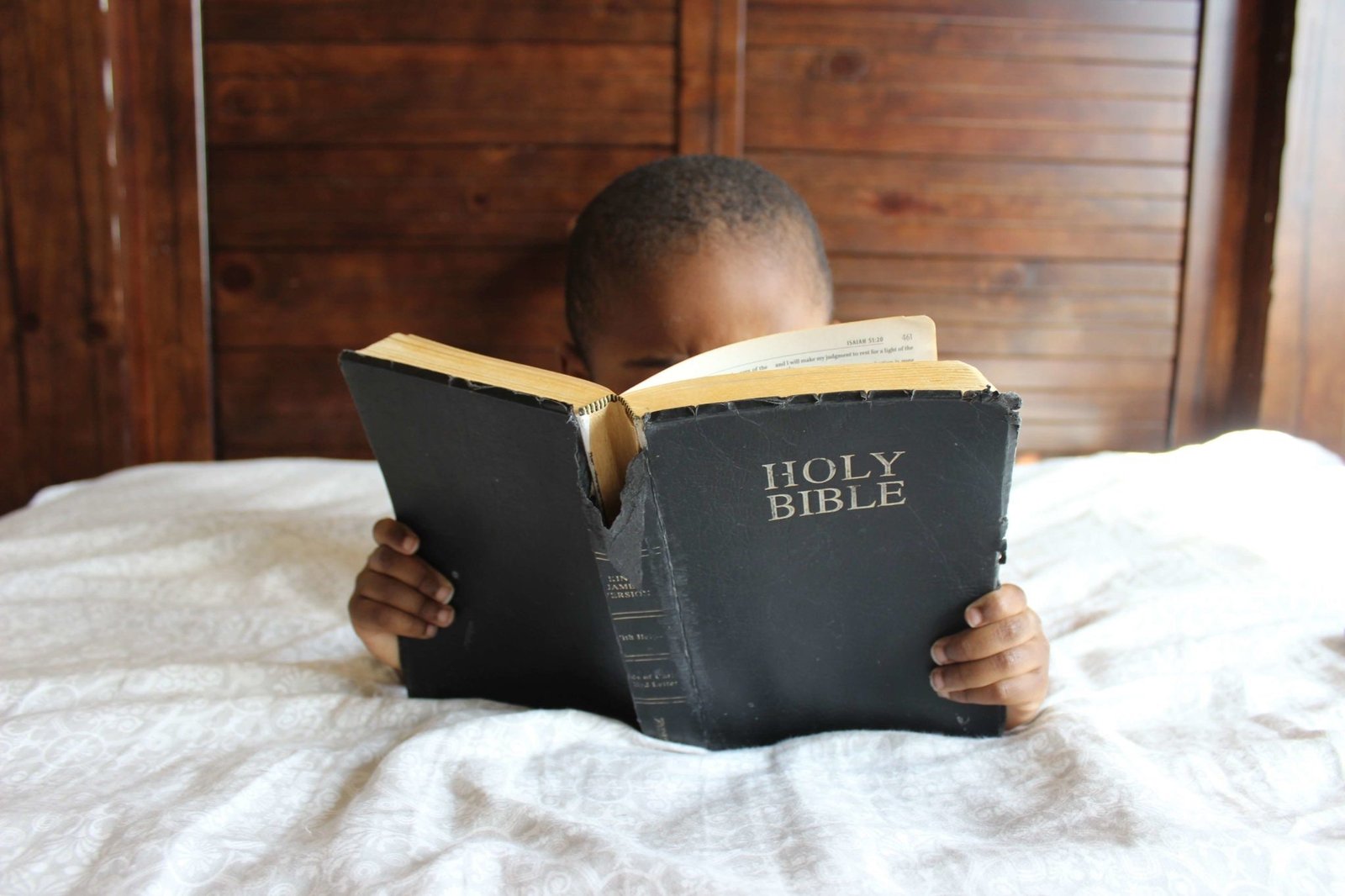
Children Aren’t Just the Future—They’re the Present Mission Field
We often say that children are the future. And yes, they are. But they're also people now, walking through a world full of questions—big questions they don’t always know how to ask:
- Who am I, really?
- Why does life hurt sometimes?
- Is God still good when everything feels upside down?
- What is right—and how do I know it?
Secular culture answers these questions with a shrug, or worse, a lie. It tells kids that truth is relative, identity is fluid, and meaning is whatever they want it to be. It promises freedom but often leaves them anxious, lost, and longing for something real.
As Christian writers, we hold a sacred counter-narrative: a story that says truth exists, that beauty has a source, and that each soul is made with purpose by a loving Creator.
Examples in Literature:
- The Chronicles of Narnia by C.S. Lewis—Aslan’s presence shows hope and moral courage amidst danger.
- Anne of Green Gables by L.M. Montgomery—Anne’s journey of belonging mirrors God’s care in forming identity.
Biblical Examples:
- Joseph’s story in Genesis 37–50 shows how faithfulness through trials can bring redemption and purpose.
- David’s psalms reflect grappling with God in suffering, yet trusting His plan.
Faithful Doesn’t Mean Flat
Faithful storytelling does not mean bland storytelling. It doesn’t mean creating one-dimensional characters who pray and win, or villains who are bad simply because we need a contrast.
The best Christian stories aren’t sermons in disguise. They’re stories first—rich, layered, full of tension and humanity—and because they’re true to life, they naturally reflect the gospel thread that runs through all creation.
Faithful storytelling embraces the grit of the human experience: doubt, struggle, temptation, suffering, longing. But it refuses to stop there. It always finds a way to whisper—or sometimes shout—hope. And that hope doesn’t come from a last-minute miracle. It comes from showing the presence of grace in the ordinary, the way truth quietly wins in small acts of courage, forgiveness, and love.
One of my favorite examples of this is Wonder by R.J. Palacio, which shows ordinary acts of kindness and courage having profound, redemptive effects.
Where Truth Meets Imagination
One of the greatest gifts a writer can give a child or teen is the ability to imagine rightly.
The world bombards them with images: self-made heroes, quick success, power without responsibility, love without sacrifice, and identity as a personal experiment. It elevates chaos and calls it freedom.
The Christian imagination reorders the chaos. It shows that boundaries are beautiful, that truth isn’t restrictive—it’s protective. That love requires something of us. That good and evil are not just abstract ideas but real forces at work in the world—and in us.
So don’t be afraid to explore big ideas. Children are thinkers. Teens are feelers. They hunger for substance even when they don’t have the words to say it.
Great storytelling for young hearts doesn’t avoid hard truths—it reveals them in ways that resonate deeply, using imagination to build empathy, spark reflection, and stir moral clarity.
We see this in the parables of Jesus (e.g., the Good Samaritan, Luke 10:25-37), which engage imagination while teaching truth.
The Role of Empathy in Redemptive Fiction
Empathy is not a soft virtue—it’s a spiritual discipline.
Stories teach kids how to feel—how to step into someone else’s shoes, understand another point of view, and recognize that even the “other” is made in the image of God. Empathy doesn’t compromise truth. It humanizes it.
When we create characters who wrestle with doubt, identity, loss, or even rebellion—without glamorizing sin—we give readers a safe space to wrestle alongside them. We let them feel seen. And in the process, we open a door for redemption to walk in.
Book Example:
- The Wingfeather Saga by Andrew Peterson explores complex moral choices while modeling empathy and courage.
Looking Ahead: Part 2
In Part 2, I will explore:
- Writing with moral courage in today’s complex culture.
- Crafting stories with excellence that honor God’s creativity.
- Practical tips for showing consequences, beauty, and truth in ways that resonate with youth.
Stay tuned for actionable guidance to help your storytelling shape young hearts today.
For Further Reading:
Check out these examples of faithful storytelling:
- Lewis, C.S. The Chronicles of Narnia
- Peterson, Andrew. The Wingfeather Saga
- Palacio, R.J. Wonder
- Bible references: Genesis 37–50 (Joseph), Psalms of David, Luke 10:25–37 (Good Samaritan)
Are there other examples of faithful storytelling that have resonated with and/or inspired you? Let me know in the comments below!

Alexia writes about Christianity with a focus on guiding young hearts toward biblical truth in today’s culture. She is passionate about equipping families, writers, and individuals to help the next generation grow in faith through stories that inspire, clarify, and disciple. When she’s not writing, Alexia enjoys photography and spending time with her family. You can follow her on facebook.
A very thoughtful post, Alexia, about our mission as we write for children. Your book examples are terrific! Thank you. I look forward to part 2!
Excellent thoughts, Alexia!
I loved this; thank you for the lovely post! I too, believe stories are a way to build empathy and show deep truth to kids 🙂