
Our next master class is coming up soon! On September 28, Natalee Creech will speak about lyrical language in prose. In thinking about this topic, let’s look at some examples of lyrical language in different types of literature.
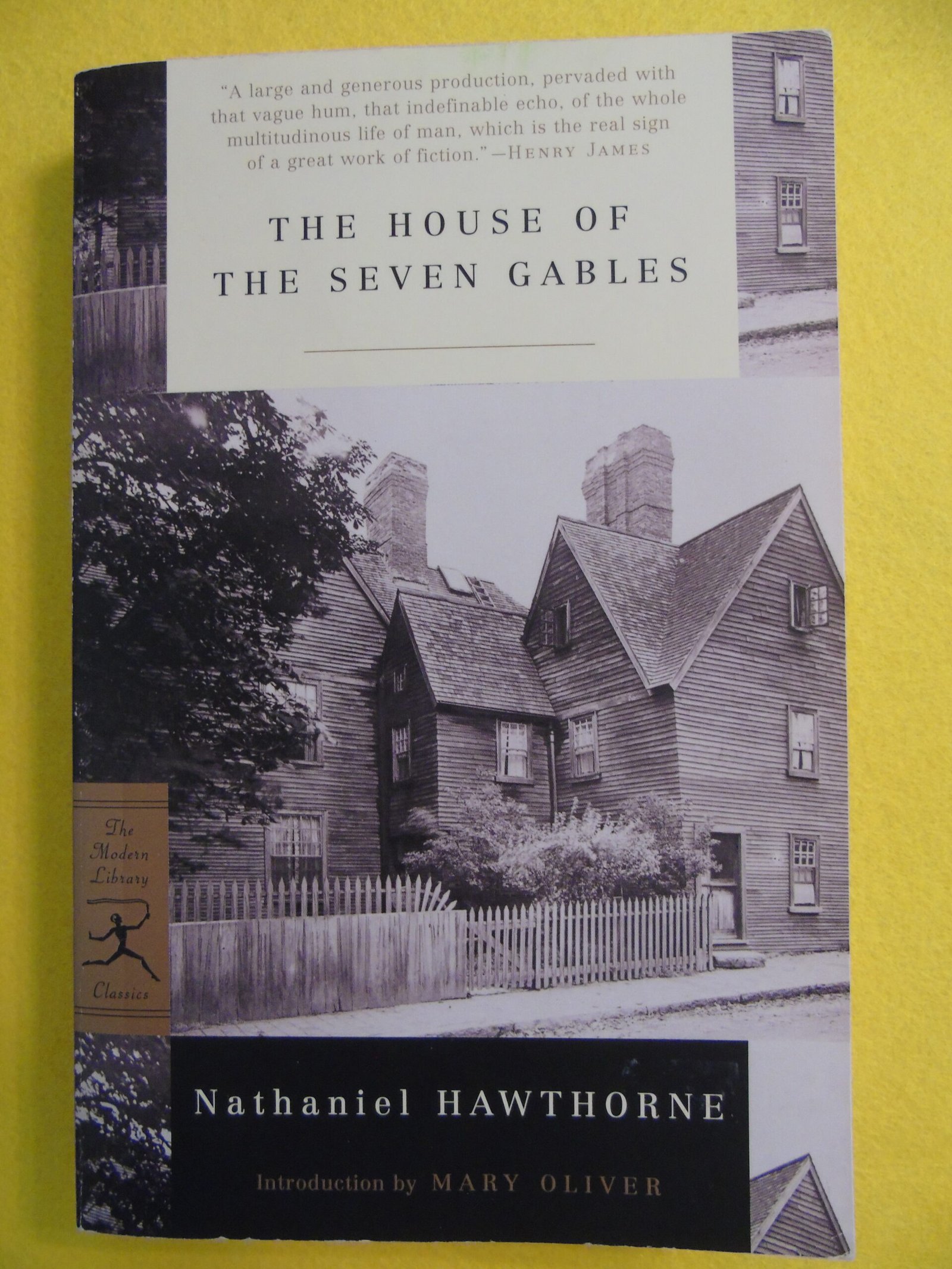
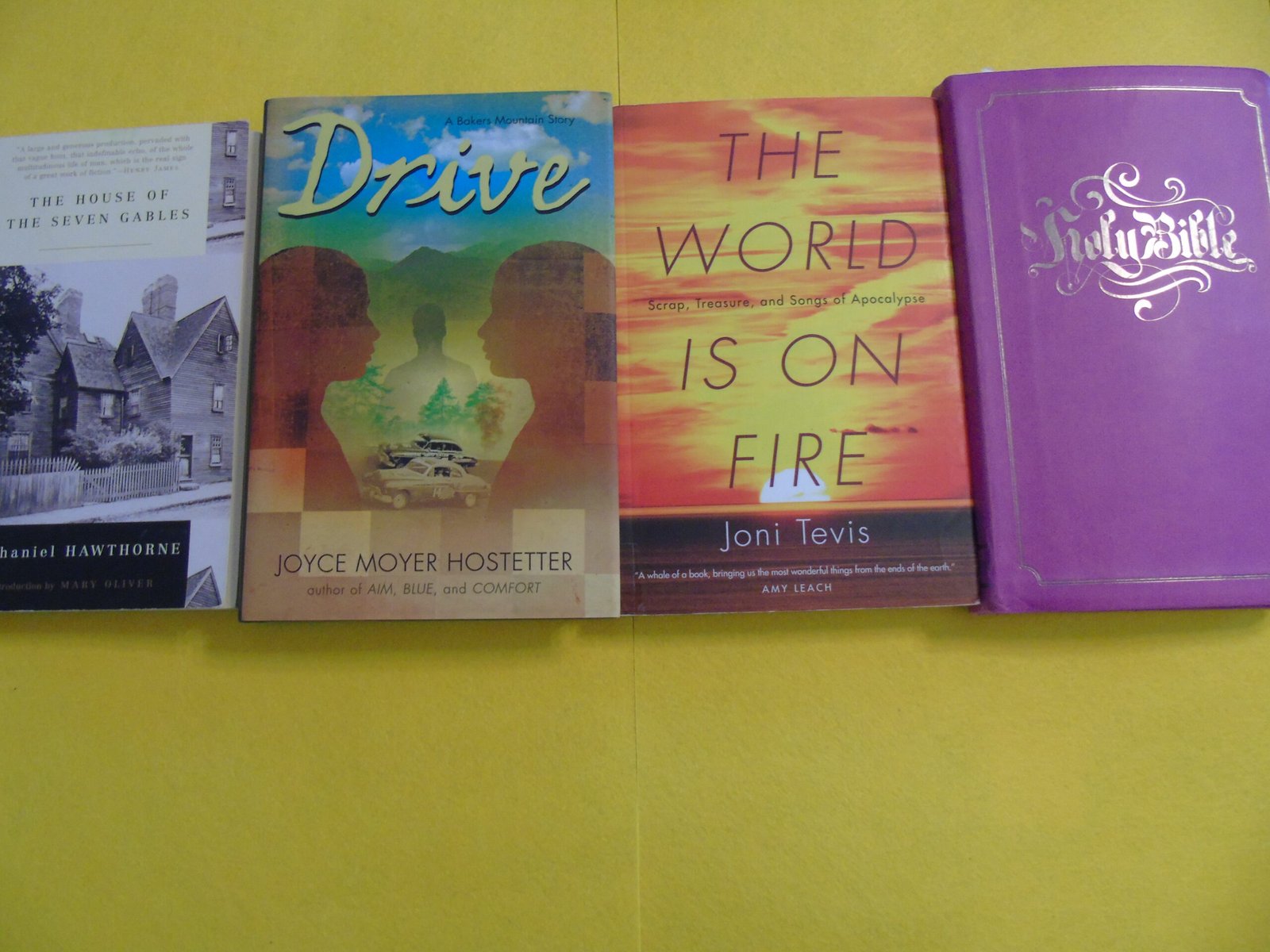
The House of the Seven Gables
Nathaniel Hawthorne’s The House of the Seven Gables contains many examples of lyrical language, including metaphors, personification, and vivid sensory details. Here are a few:
“The company—tremulous as the leaves of a tree, when all are shaking together—drew nearer and perceived that there was an unnatural distortion in the fixedness of Colonel Pyncheon’s stare…” (Hawthorne 15).
“However the flowers might have come there, it was both sad and sweet to observe how Nature adopted to herself this desolate, decaying, gusty, rusty old house of the Pyncheon family; and how the ever-returning summer did her best to gladden it with tender beauty, and grew melancholy with the effort” (Hawthorne 26).
The first passage is an example of a metaphor (comparing “the company” to leaves), and the second passage contains an example of personification, giving human-like attributes to “Nature” and “summer.”
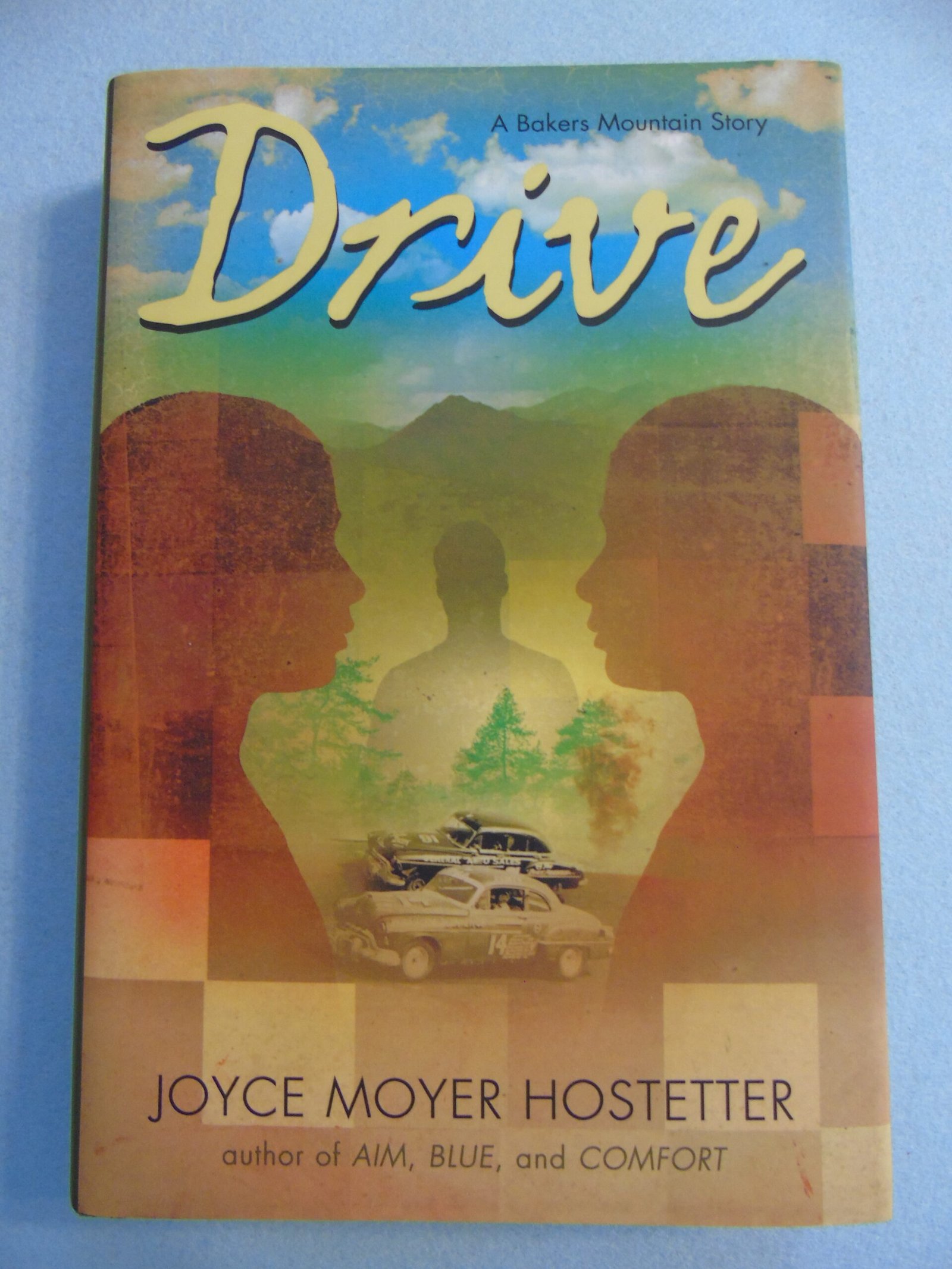
Drive
Drive by Joyce Moyer Hostetter (check out my review here) is a middle-grade novel that follows the story of twin sisters Ida and Ellie. The title has a figurative meaning: the motivation, or drive, to succeed.
“Remember. . . When Daddy slammed me up against the wall? It scared me so bad I couldn’t breathe. I guess I was like one of those race cars that gets smashed and then it just limps around the track. But you stepped on the gas and kept going. Enjoying all the attention you could. You got ahead of me, Ellie. You liked being first. And you sure do hate losing. But it’s not a race. It’s just both of us driving the best way we know how” (Hostetter 236).
In this passage, Ida compares her and Ellie to race cars and their relationship to a race. This passage tells readers more about Ida and Ellie’s relationship than if the author simply stated that Ida and Ellie had a stormy relationship. The comparison is used throughout the book and is effective for younger readers as well.
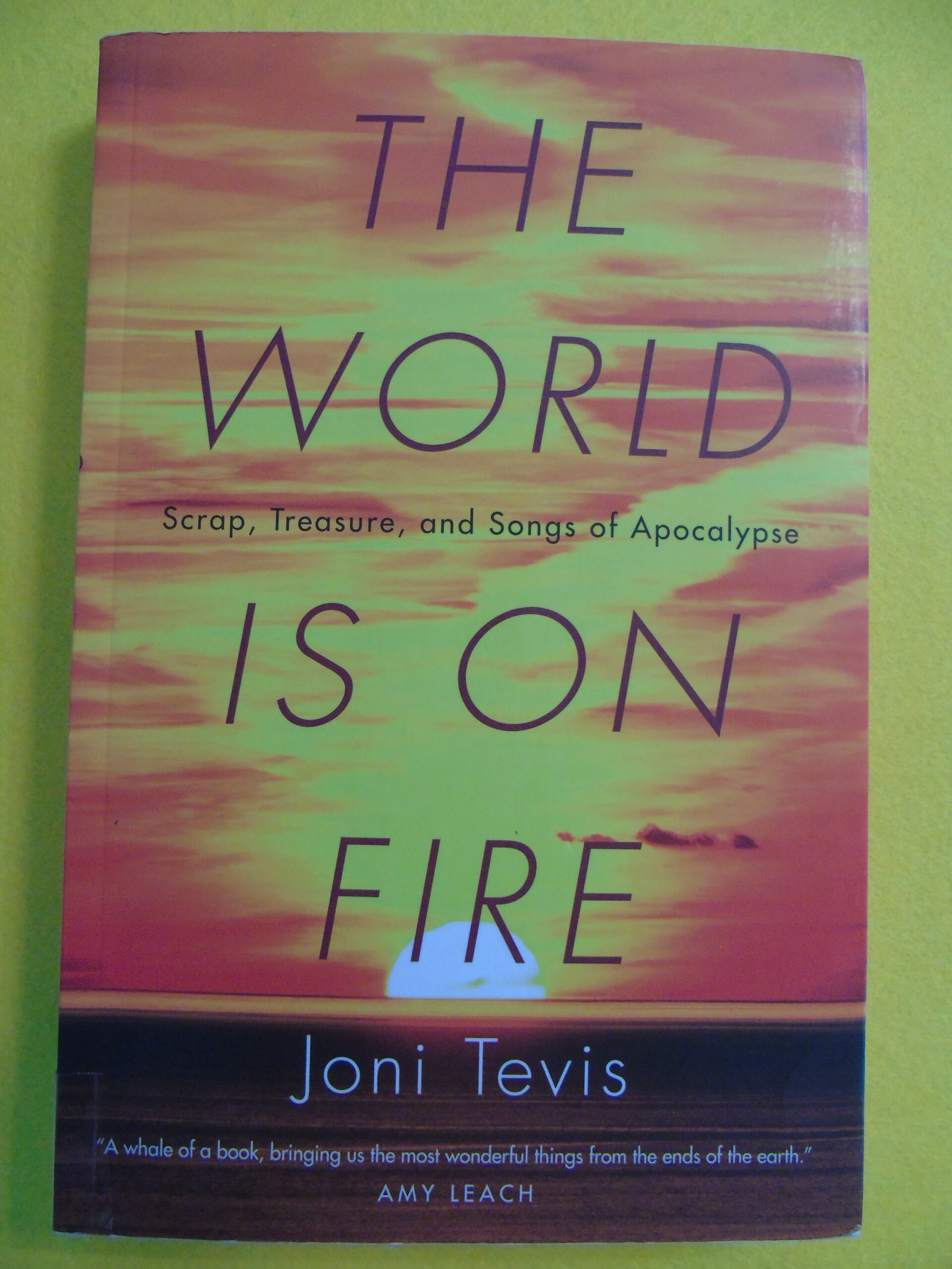
The World is on Fire
Lyrical language is used in nonfiction and creative nonfiction works, such as The World is on Fire by Joni Tevis (check out my full review here). The World is on Fire contains many examples of metaphors, personification, sensory details, and more, especially in the first section.
For a simple example, consider the alliteration in the following sentence:
“Two swings tap a trim nail true” (Tevis 11).
Here’s an example of a sentence that I think has good sensory details:
“Now every day is filled with the tread of feet, the whisper of hands sliding along her banisters, the hum of conversations she can’t quite make out” (Tevis 21).
Before reading The World is on Fire, I had not considered using lyrical language in nonfiction writing. Tevis’ work made me consider how lyrical language can be effective in nonfiction and helped me enhance my own writing.
Psalms
We can also find plenty of examples of lyrical language in the Bible, especially in Psalms. Perhaps one of the most common is Psalm 23, where David compares God to a shepherd caring for his flock.
“The LORD is my shepherd; I shall not want” (Psalm 23:1).
My Turn
Here’s an example I wrote using personification:
“Angelica lifted the oh-so-heavy painting off the wall and sat it on the floor, bending down on her knees to see if a closer look would yield any answers. The thud of it hitting the floor reverberated throughout the empty house along with an extra, quieter thud, that seemed to come from the painting itself. The rough wood grabbed at Angelica’s new pants, likely leaving picks, but she didn’t care.”
Your Turn
Have you used any of these literary devices in your writing? If not, now is the perfect time to try some, and make sure you register for Creech’s master class.
What are some of your favorite examples of lyrical language in literature? Let me know in the comments below!
Kathryn Dover lives in South Carolina with her family including five cats, a dog, three fish, and many house plants. She recently graduated from Presbyterian College with a Bachelor of Science in Mathematics and was a valedictorian of the Class of 2024. She’s not sure what she wants to do as a career, only that she wants to write, but is trusting that God has a plan for her life to use her in a powerful way. In her free time, she enjoys reading, photography, playing with her pets, and growing plants.
Great post! Thanks Kathryn!
These are great examples of lyrical language in prose! Thanks Kathryn. It gives us a good idea of what the master class will be about and how lyrical language can improve all types of prose.
One of my favorite lines is from When I Was Young in the Country by Cynthia Rylant. “Grandfather always brought home a tree that was a little too wide or a little too tall and we would have to spend the next few weeks squeezing around it in the living room. It seemed sometimes like an embarrassed guest. “
Oh yes! We need to add some Cynthia Rylant books to the mentor book list! Thanks for this post, Kathryn!